
0103
Dimple
Dimple Creation
Dimple surgery that adds charm to your smile
| Surgery time | Anesthesia | Suture removal | Daily life |
|---|---|---|---|
| approx. 20 min | Local anesthesia | None | after approx. 7 days |
No hospital stay or separate visit · closed inside the mouth, nothing to remove externally
DIMPLE CREATION
One point of charm for a smiling face
A dimple is the small indentation that appears on the cheek when you smile. Dimple creation places one where it suits your face.
With the buried suture method, closed inside the mouth, we aim for a dimple that shows naturally only when you smile.

SURGICAL METHOD
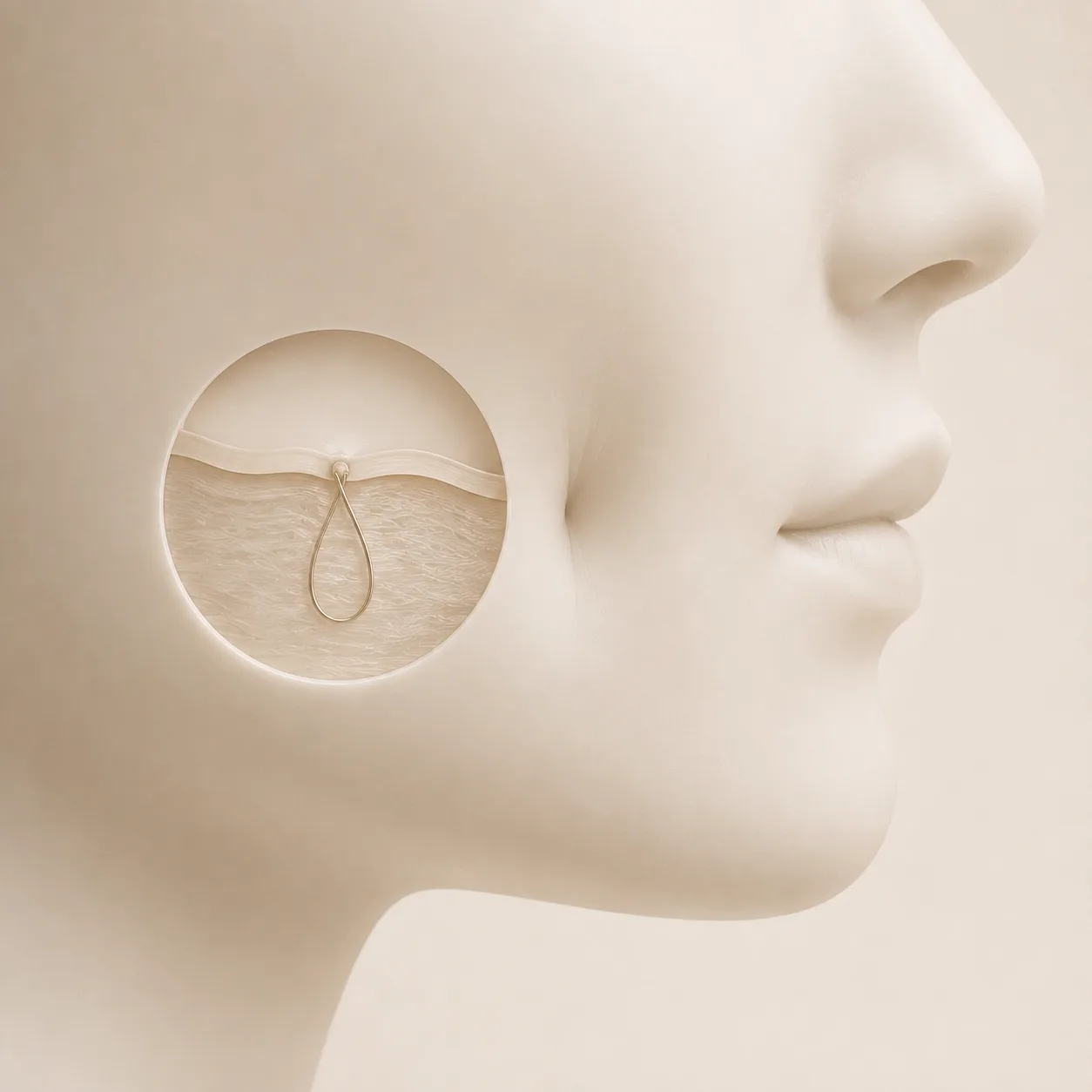
The buried suture method, closed inside the mouth
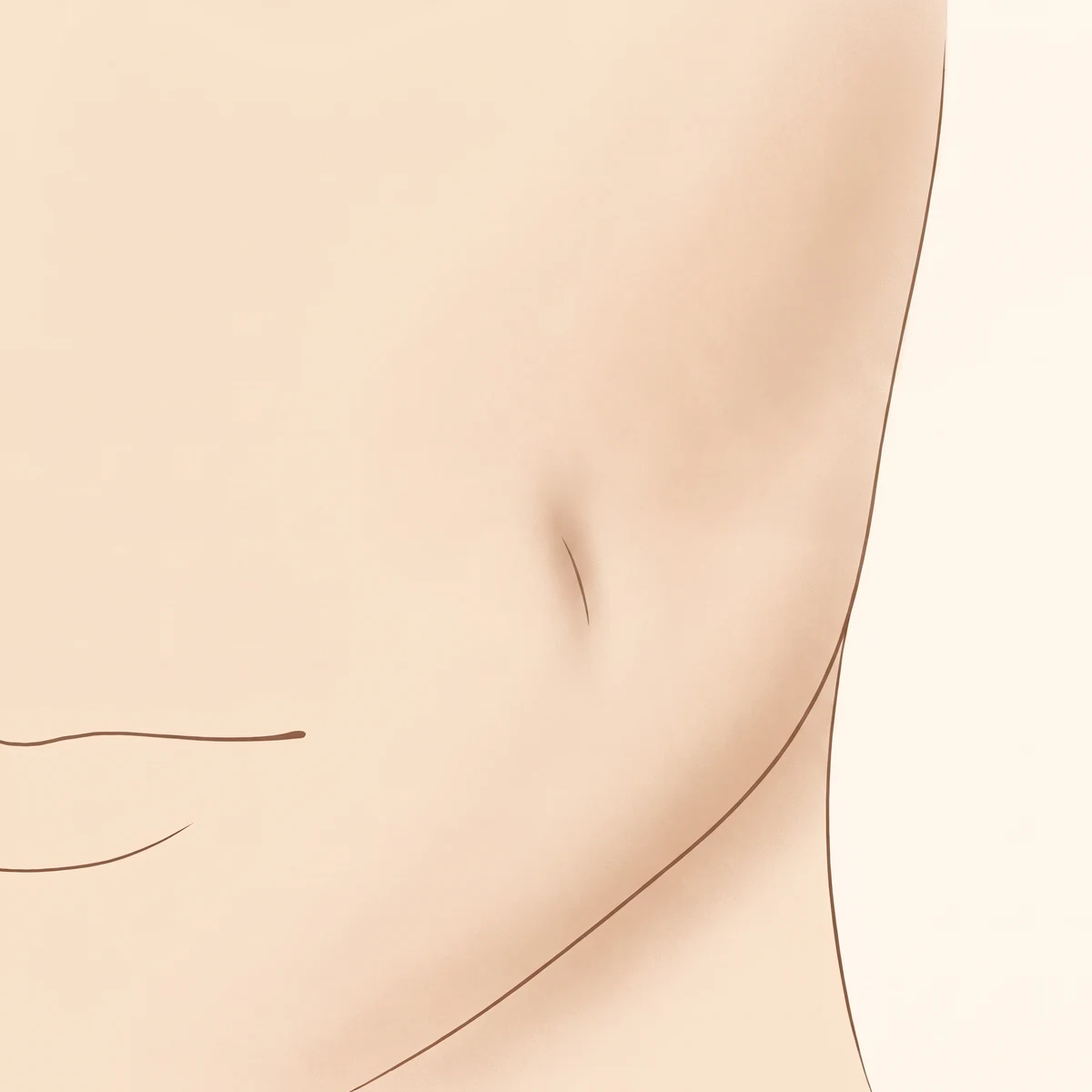
After local anesthesia, about 5 mm of oral mucosa is incised and a suture ties it to the tissue beneath the skin to form the dimple.
The incision sits inside the mouth rather than on the outer skin, so we aim for a natural shape.
TYPES
Which dimple would suit me?
The impression changes with position. We decide together while watching your smile.
 01
01Long dimple
Soft, with a touch of maturity and refinement
 02
02Indian dimple
Innocent and playful
 03
03Mouth-corner dimple
Cute, coy and adorable
 04
04Mid-cheek dimple
Youthful and soft
PROCESS
The dimple creation process
Every step is performed by the director personally.
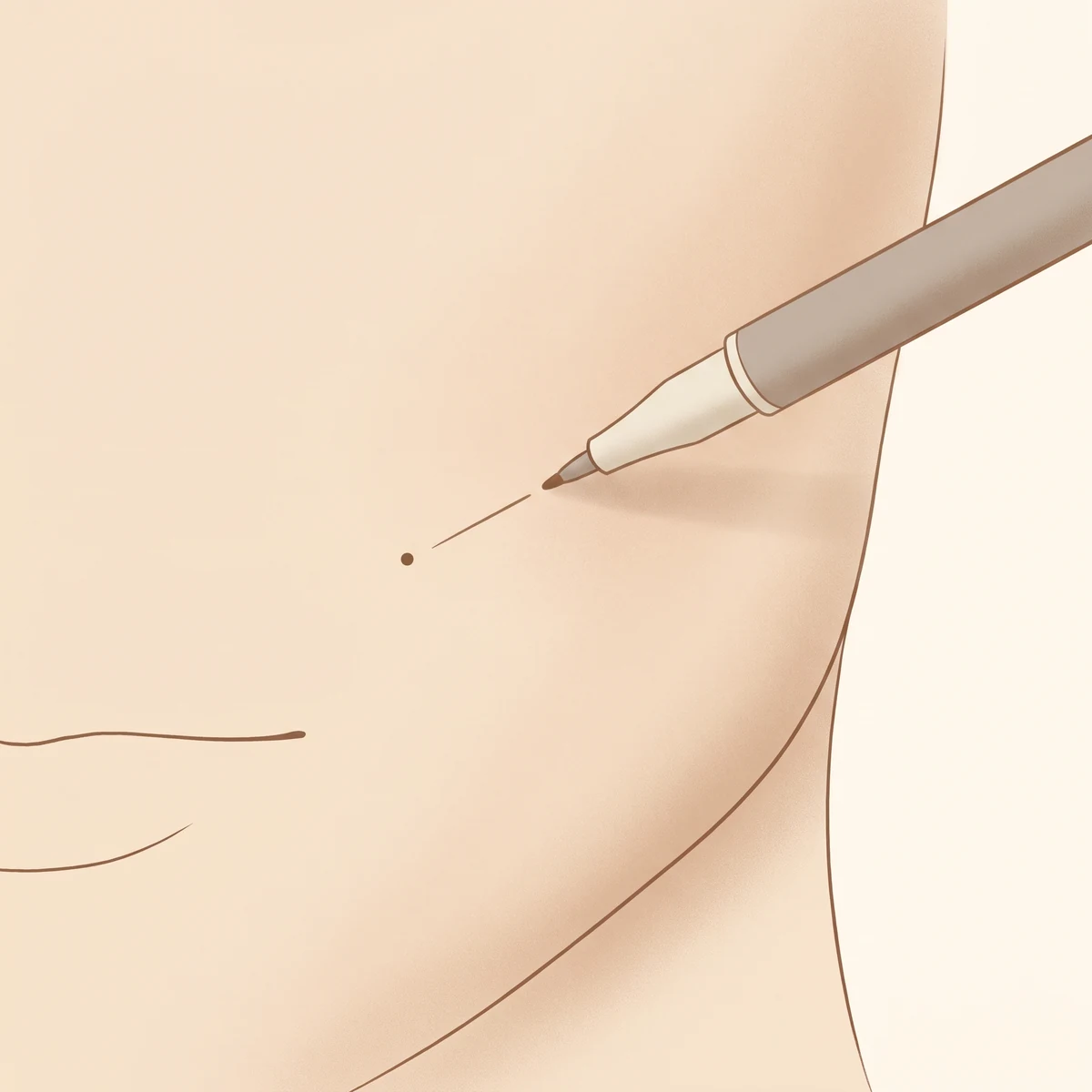
Position design
We watch your smile and face shape and decide the position and shape.
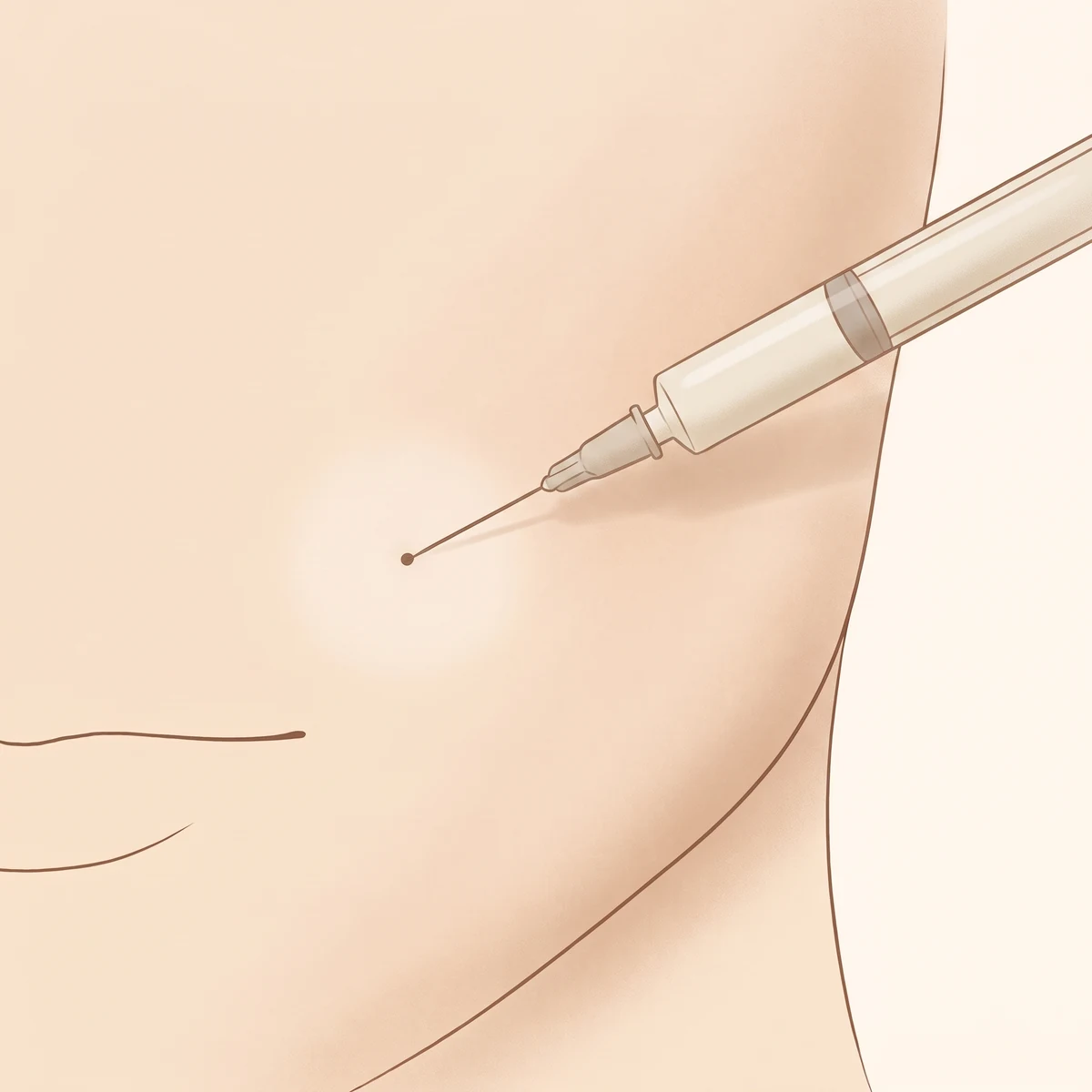
Local anesthesia
Simple local anesthesia, no sedation needed.
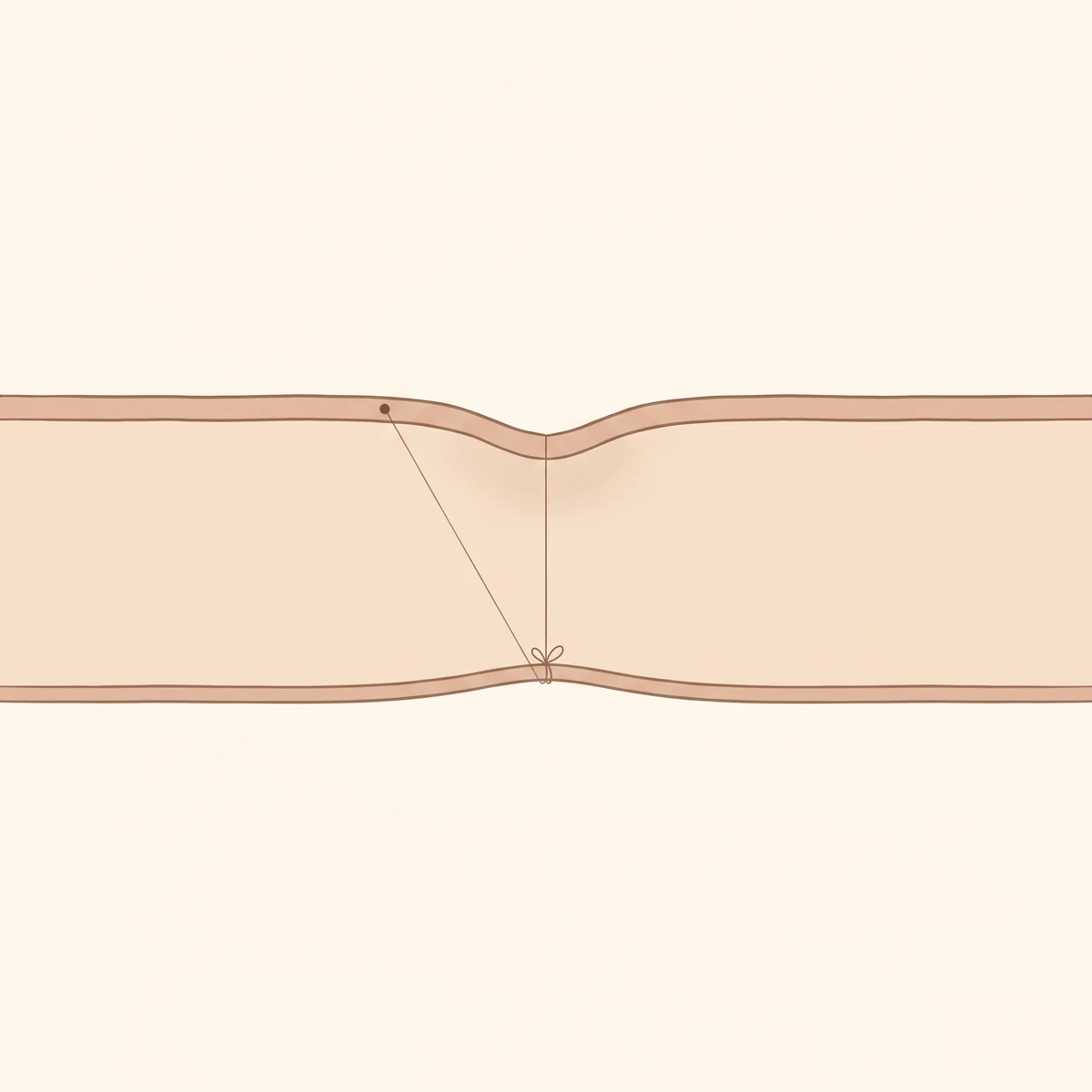
Buried suture
About 5 mm of oral mucosa is incised and tied to the tissue beneath the skin.
Same-day discharge
Closed inside the mouth, nothing to remove; daily life at about 7 days.
RECOMMENDED
If this sounds familiar, dimple creation comes first
- A point of charm for a plain smile
- An existing dimple, more defined
- A natural dimple that suits your face
- A dimple that doesn't look surgical

AFTERCARE
Recovery guide
- Day of surgerySame-day discharge
About 20 min under local anesthesia, no hospital stay
- SuturesNothing to remove
Closed inside the mouth
- Approx. day 7Daily activities
Back to daily life, no separate visit
The position is confirmed at consultation while you smile several times.
0203
Scar & Foreign Body Removal
Scar & Foreign Body Removal
Restores clear skin through foreign body removal and scar revision
| Surgery time | Anesthesia | Suture removal | Daily life |
|---|---|---|---|
| approx. 1 hour | Sedation | after 5–7 days | after 5–7 days |
Scar revision basis · same-day discharge · 2 visits / foreign body removal: sutures out 3–5 days, daily life 5 days – 2 weeks (varies by method and area)
SCAR REVISION
Not erasing, making it less visible
Scar removal is a procedure that minimizes the change left after a wound heals and lets the scar blend with the surrounding skin. Skin that has been wounded cannot return 100% to how it was, so the goal is not to erase, but to make the scar less visible.
We read the cause and condition of the wound, choose the most suitable method and proceed one to one.

METHODS
Four methods of scar revision
Chosen by the extent and direction of the scar and the skin condition.
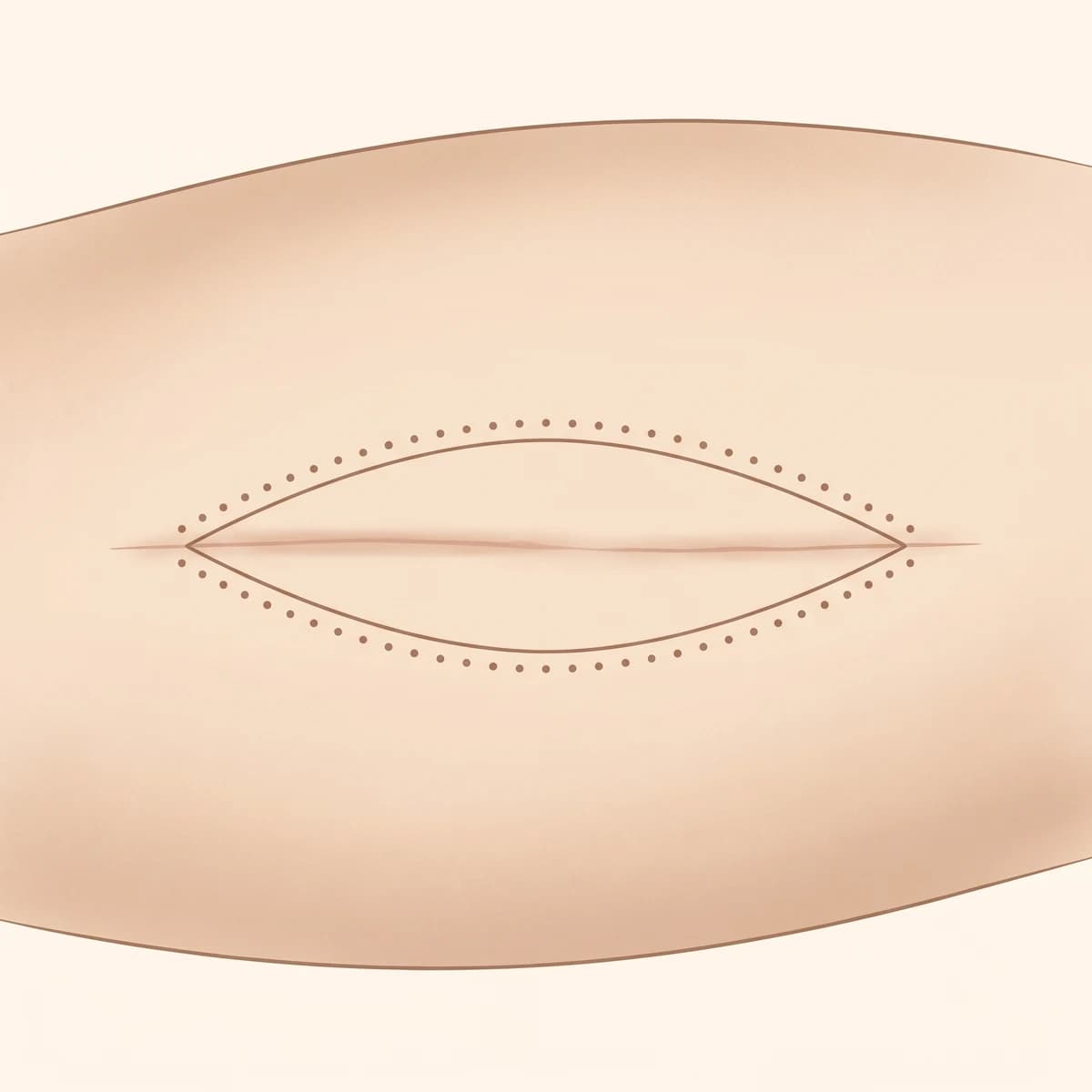
Fusiform excision
The scar is excised in a fusiform shape and closed precisely. Large areas are done in stages 3–6 months apart.
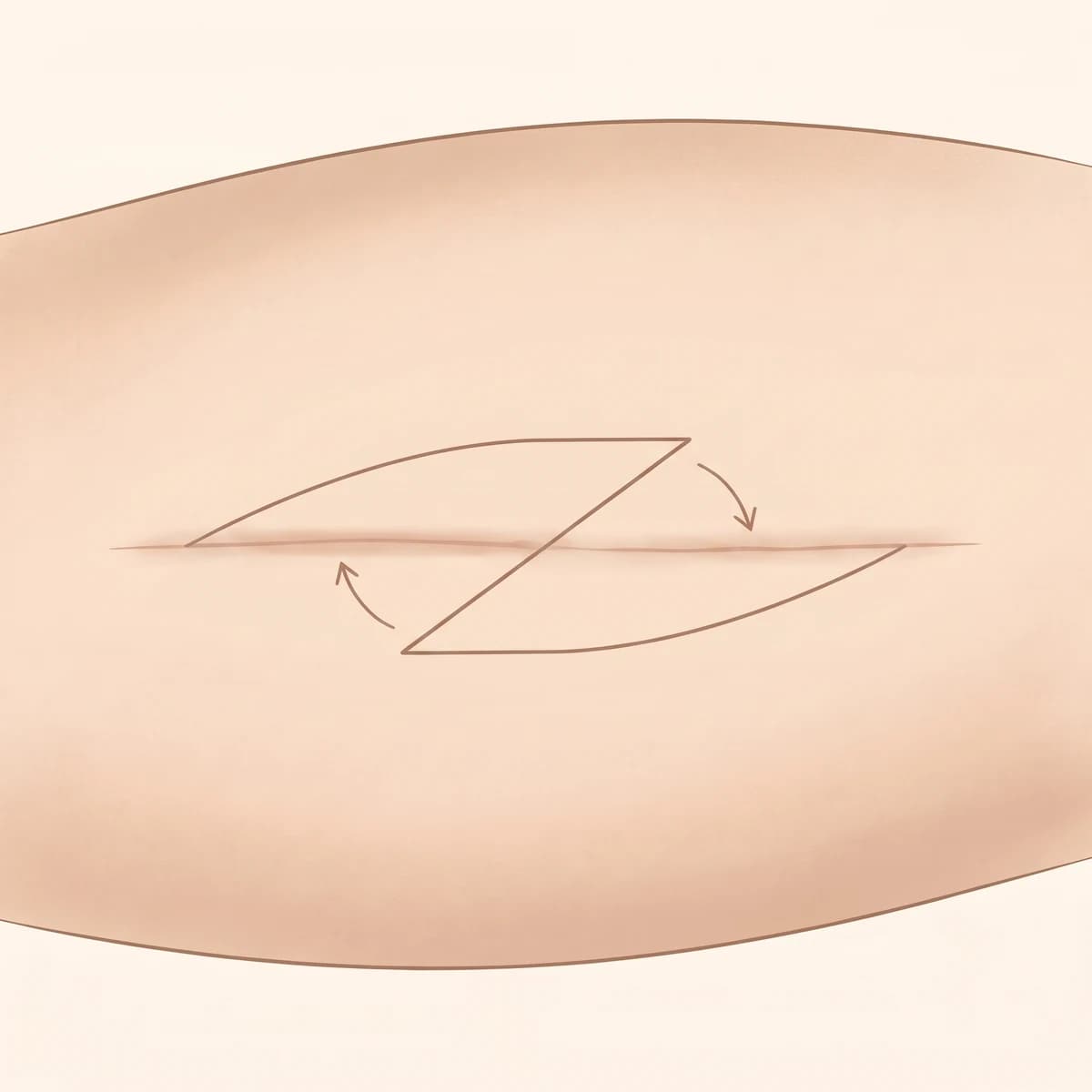
Z-plasty
The scar is turned toward the lines of minimal skin tension, so it becomes longer but less visible.
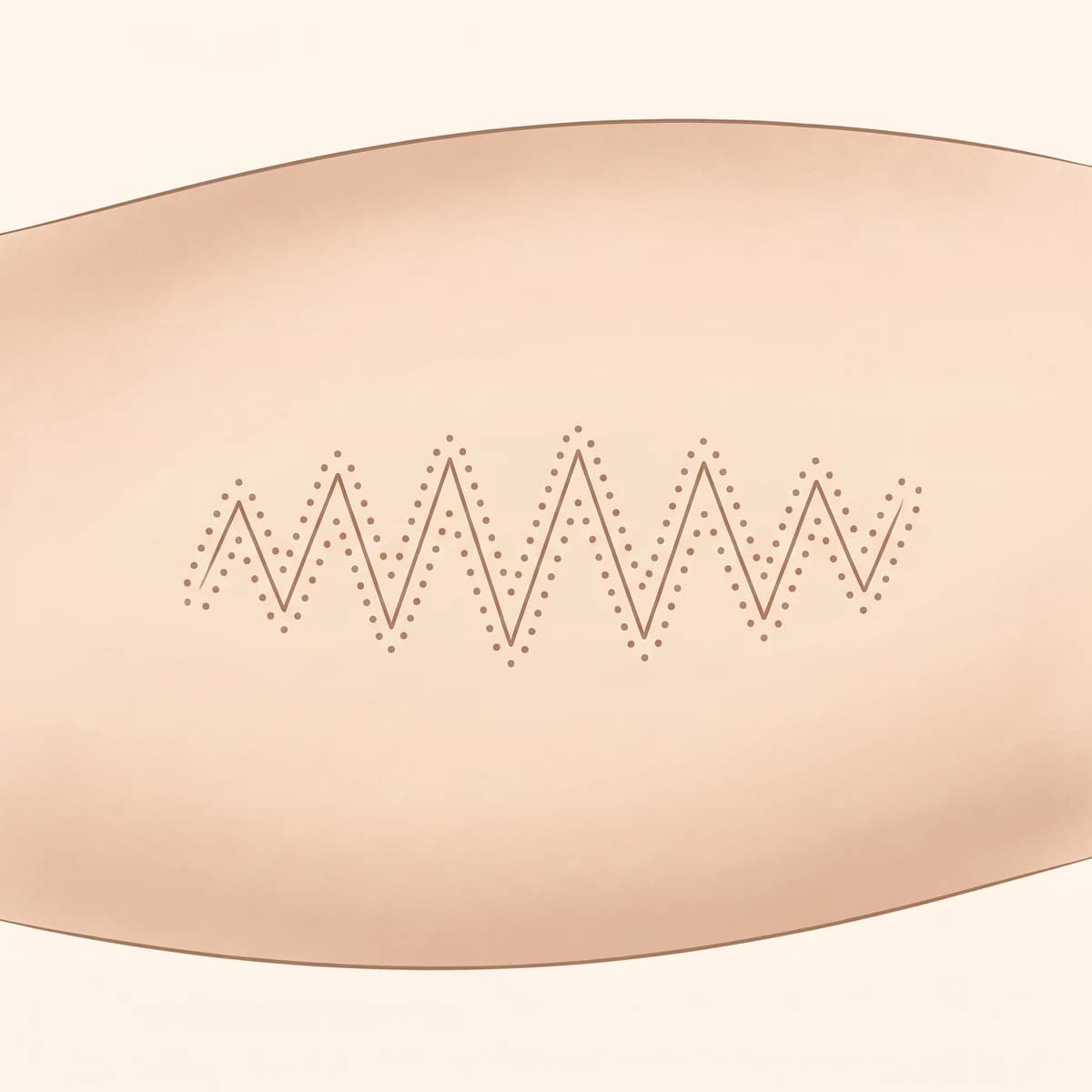
W-plasty
The scar is excised in a zigzag and closed, its direction shifted toward the tension lines to hide it.
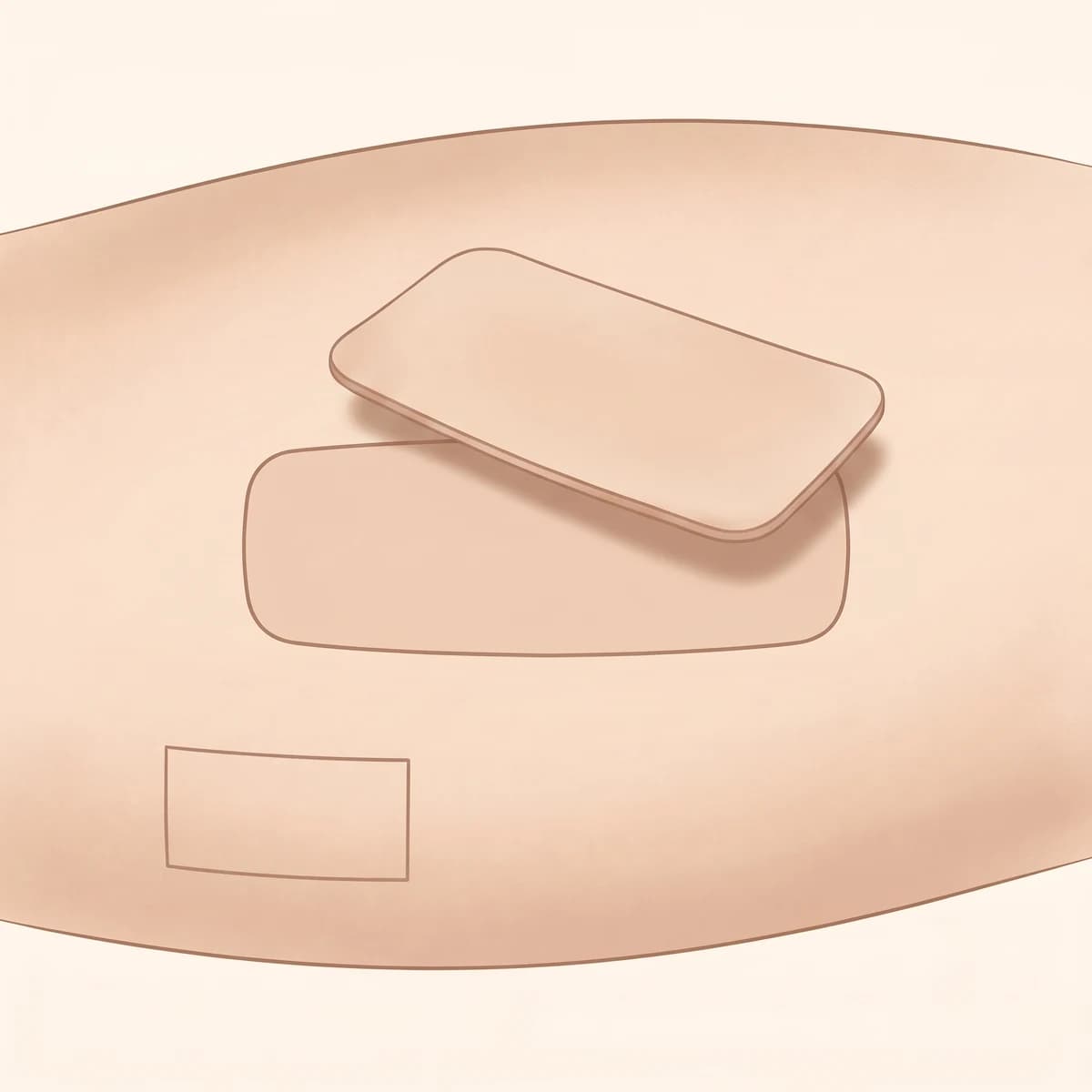
Skin grafting
When the area is too large to heal well, skin from the buttock or thigh is grafted onto the wound.
RECOMMENDED
For scars like these, scar revision comes first
- Skin contracted by a burn or infection
- Surgical marks and damaged skin texture
- A raised scar
- A scar pigmented by improper wound care
AFTERCARE
Recovery guide
- Day of surgerySame-day discharge
About 1 hour under sedation, no hospital stay
- Days 5–7Suture removal
Wound direction and texture checked
- From day 5–7Daily activities
Light daily activities
- AfterwardsFollow-up
2 visits
Scar revision basis. For foreign body removal, see the table below.
WHAT IS FOREIGN BODY REMOVAL
Removal and restoration, seen together
Overdone filler or fat grafting, or an unapproved substance, can harden the skin, cause asymmetry or redness, and in severe cases necrosis.
Foreign body removal takes the substance out according to its type and condition, and restores the area with the aesthetic result in mind.

RISK
What can happen if a foreign body is left in place
A foreign-body reaction can lead to skin depression, sagging, necrosis or swelling, so the condition is checked first before deciding how to remove it.
EFFECT
What foreign body removal aims to change
COMPARE
Two ways of foreign body removal
Non-incisional foreign body removal
When the substance can be dissolved, a non-surgical approach such as injection therapy or Venus laser comes first. Less scarring and a shorter recovery.
- When chosen
- A substance that can be dissolved
- Method
- Dissolved by Venus laser · injection therapy, then removed
- Surgery time
- Around 30 min – 1 hour per area
- Anesthesia
- Local or sedation
- Recovery
- Around 3–5 days
Incisional foreign body removal
When it does not dissolve or the tissue has hardened, a minimal incision in a hard-to-notice area lets us remove the foreign body and inflamed tissue under direct view.
- When chosen
- Hardened tissue where incision is unavoidable
- Method
- Minimal incision in a hard-to-notice area
- Surgery time
- Around 1–2 hours per area
- Anesthesia
- Sedation
- Recovery
- Around 5 days – 2 weeks
AreasForehead · glabella · eyes · under-eyes · nose · cheeks · cheekbones · nasolabial folds · lips · chin · jawline · breast
WHEN TO CONSIDER
In these cases foreign body removal is considered
If surface, color, edges, texture or pain have changed, the type and depth of the foreign body are checked first.
The surface has become uneven after a volume treatment
The treated area looks bluish through the skin
The shape looks unnatural or artificial
The edges of the filler or fat graft area show
It shifts or feels floppy, and a light press leaves a dent
The shape is uneven, leaving left–right asymmetry
The injected area feels lumpy and hard
Pain or inflammation after the injection
Sagging skin or leftover material after a previous removal
Calcification after fat grafting
0303
Otoplasty
Otoplasty
Naturally corrects ear shape such as protruding or folded ears
| Surgery time | Anesthesia | Suture removal | Daily life |
|---|---|---|---|
| approx. 1 hour | Local · sedation | after 7 days | after approx. 7 days |
Same-day discharge · one visit after 7 days for suture removal · may vary with ear shape and type of surgery
OTOPLASTY
Ears that suit any hairstyle
Otoplasty is a surgery that corrects the shape of the ear to balance it with the face, and improves function where needed. Like the eyes and nose, ears have harmonious proportions too.
From protruding ears to cryptotia, constricted ears, lobeless and split lobes, incisions sit behind the ear where they are hard to see, so tied-back hair feels comfortable.

IDEAL PROPORTION
The standards of a harmonious ear
- Ear angle
- Tilted back about 8–10˚ in profile
- Ear length
- About 5.5–6 cm for women · 7 cm for men
- Width : height
- Helix and antihelix (Y-shaped cartilage) visible, about 4 : 7
- Ear position
- Top near the brow bone, lobe near the tip of the nose
- Standing angle
- About 90˚ seen from behind
- Distance from scalp
- Top 1–1.2 cm · middle 1.6–1.8 cm · bottom 2–2.2 cm
TYPES
Five surgeries by ear shape
The method depends on the condition of the ear cartilage and the degree of deformity.
The cartilage fold is missing or underdeveloped, so the ears spread forward. Through an incision behind the ear the cartilage is folded to create the fold; mild cases are corrected by suturing alone. Ears reach adult size at about age 6, so treatment before school is sometimes advised.
PROCESS
The otoplasty procedure
Protruding ear surgery basis; steps may differ with ear shape and type of surgery.
Analysis · design
Protrusion, cartilage condition and the ear-to-scalp distance are measured to place the fold.
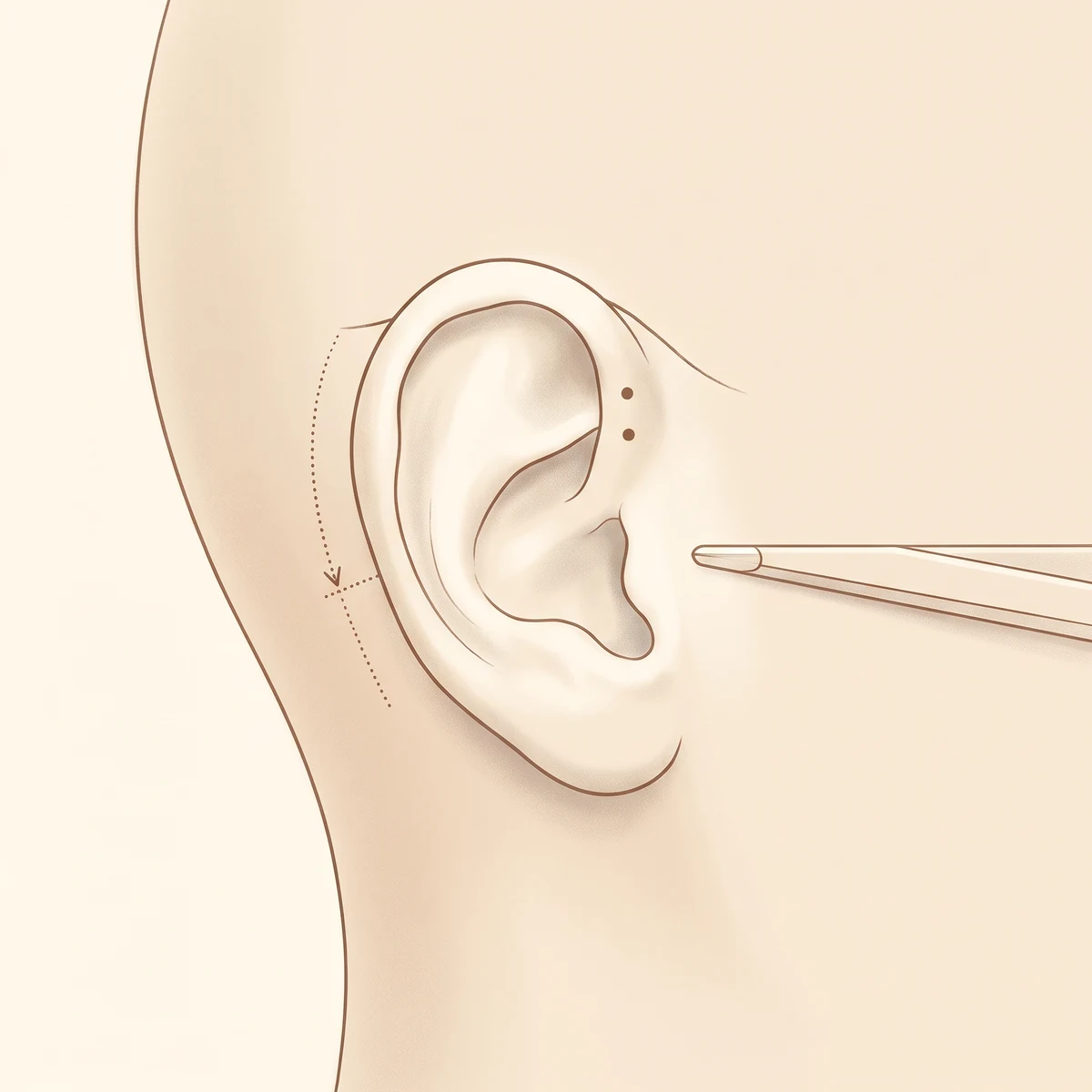
Incision behind ear
The incision sits behind the ear, out of sight; mild cases are sutured without incision.
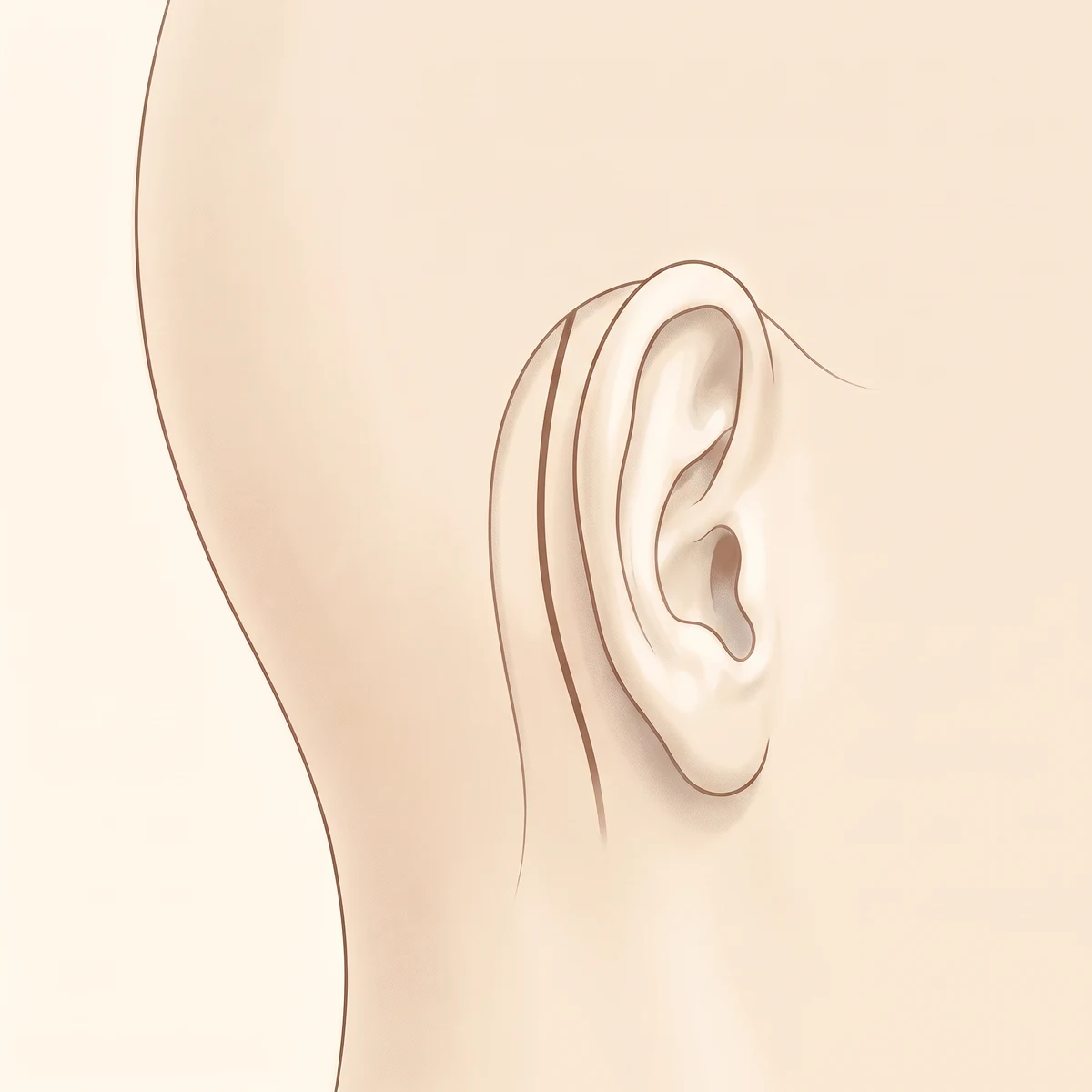
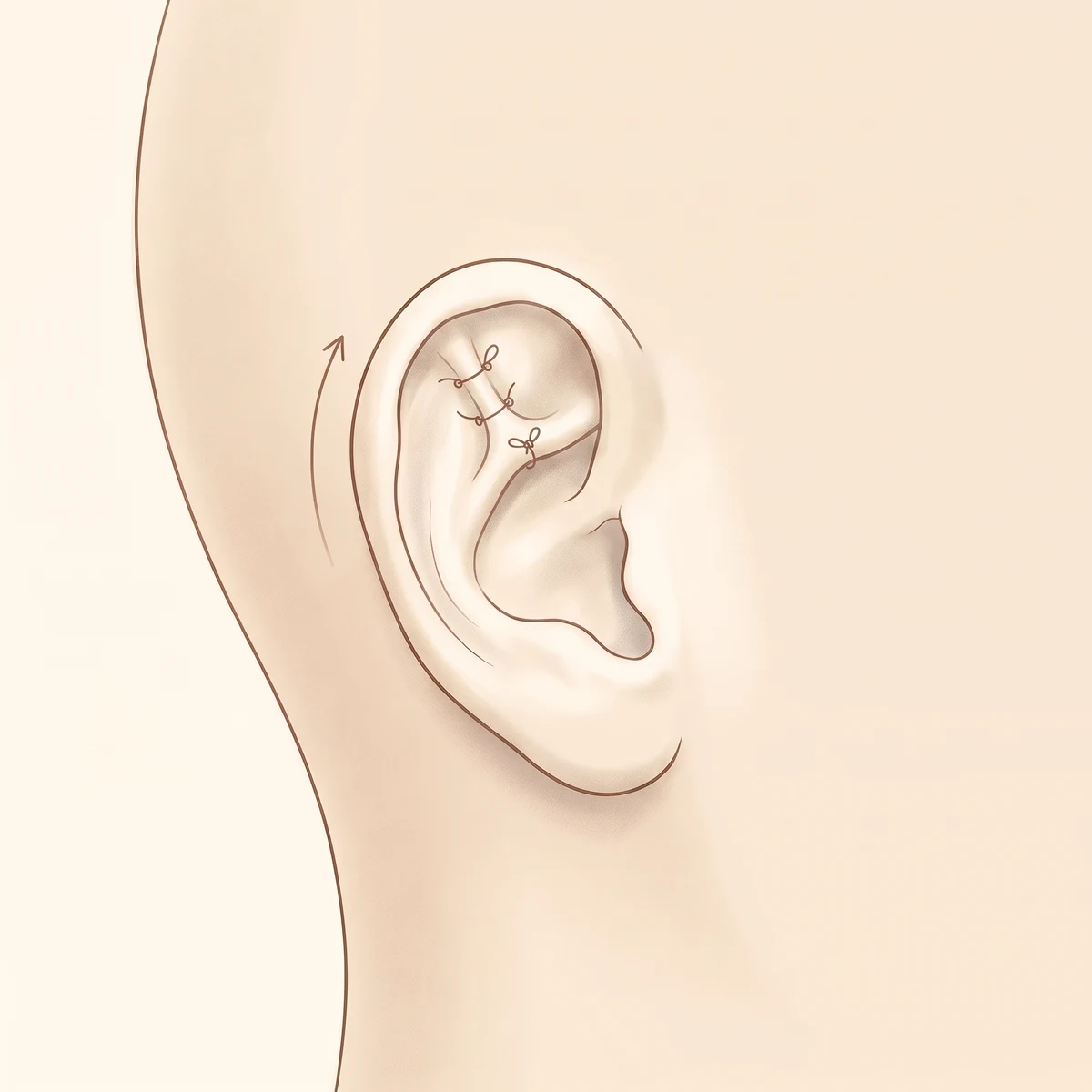
Cartilage · suture
The cartilage is folded into a fold and curve and sutured to set the angle.
Protection · follow-up
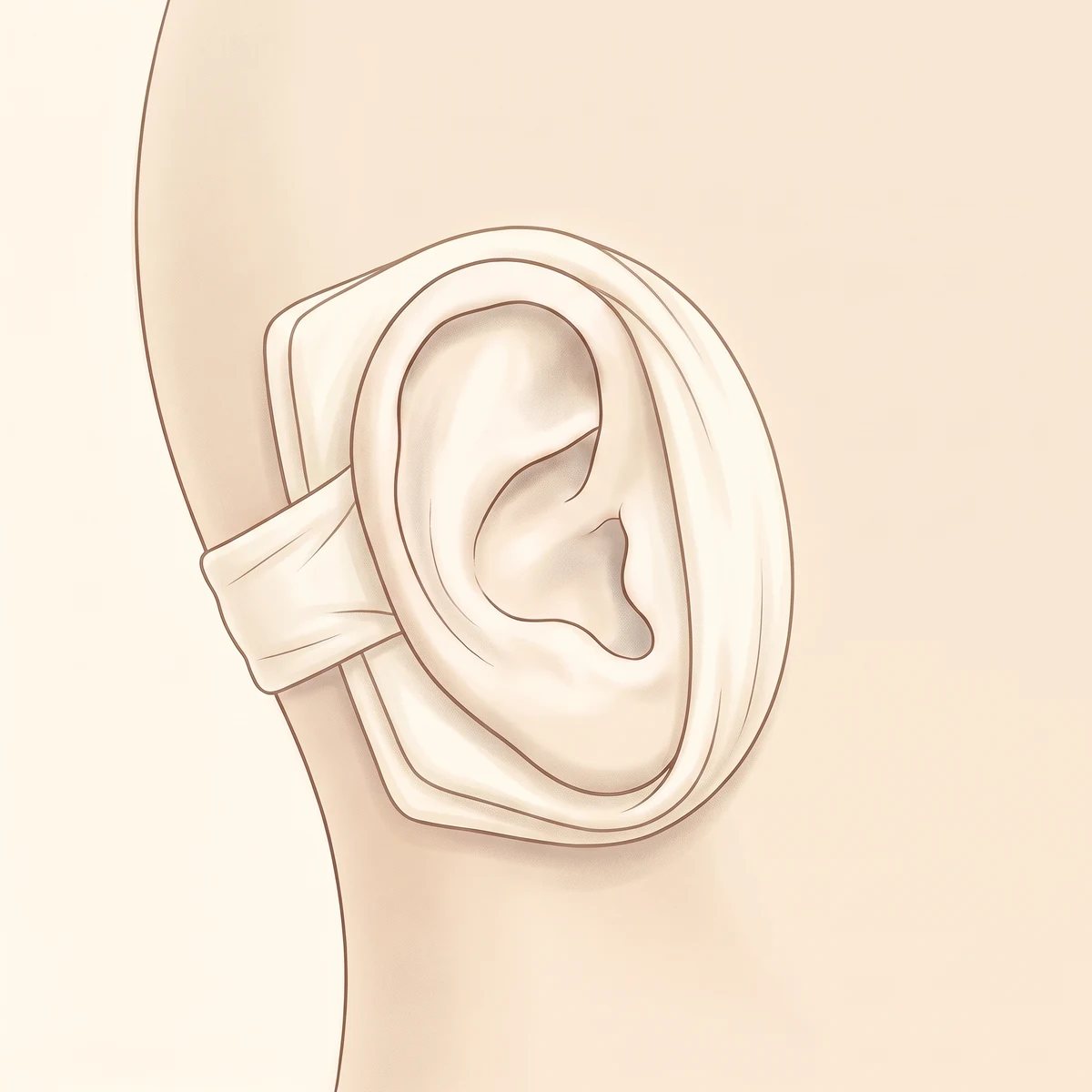
The ear is wrapped thickly, you go home the same day, and sutures come out after 7 days.
RECOMMENDED
If this sounds familiar, otoplasty comes first
- Ears that spread forward or protrude
- A lobeless ear that runs in a straight line
- Ears that sit too close to the head
- A lobe split or sharply drawn down by earrings or trauma
- Ears too large or too small to look natural
AFTERCARE
Post-op care guide
- Day of surgeryProtection
Wrapped thickly against hematoma, cold and warm compresses
- Days 2–3Avoid impact
No sudden movements
- Day 7Suture removal
Swelling settles 2–3 days later, shape visible
- 6 months +Final result
Final shape confirmed
Recovery speed varies by individual.
OUR PRINCIPLE
A small surgery, but the difference in impression is not small.
We decide first where and in which direction the scar will go unnoticed. We keep it small without ever being careless.
Others
Compare at a glance
Surgery time, anaesthesia and recovery side by side. Select a procedure name to jump to its section.
| Dimple Creation | Scar & Foreign Body Removal (scar revision basis) | Otoplasty | |
|---|---|---|---|
| Surgery time | approx. 20 min | approx. 1 hour | approx. 1 hour |
| Anesthesia | Local anesthesia | Sedation | Local · sedation |
| Suture removal | None | after 5–7 days | after 7 days |
| Daily life | after approx. 7 days | after 5–7 days | after approx. 7 days |
| Visits | No hospital stay or separate visit · closed inside the mouth, nothing to remove externally | Scar revision basis · same-day discharge · 2 visits / foreign body removal: sutures out 3–5 days, daily life 5 days – 2 weeks (varies by method and area) | Same-day discharge · one visit after 7 days for suture removal · may vary with ear shape and type of surgery |
Visits
- Dimple Creation
- No hospital stay or separate visit · closed inside the mouth, nothing to remove externally
- Scar & Foreign Body Removal (scar revision basis)
- Scar revision basis · same-day discharge · 2 visits / foreign body removal: sutures out 3–5 days, daily life 5 days – 2 weeks (varies by method and area)
- Otoplasty
- Same-day discharge · one visit after 7 days for suture removal · may vary with ear shape and type of surgery