
0105
Double Eyelid
Double Eyelid Surgery
Designs clear eyes with a natural line
| Surgery time | Anesthesia | Suture removal | Daily life |
|---|---|---|---|
| approx. 1 hour | Local anesthesia | after approx. 5 days | after 5–7 days |
Home the same day · 1–2 follow-up visits · varies with method and condition
WHAT IS DOUBLE EYELID SURGERY
Not bigger eyes finding the eyes that suit you
Double eyelid surgery is a surgery that creates an eyelid crease matched to your eye size and shape, opening strength, skin and the balance of the whole face. We look at all of these before choosing a method and shape.
Lines come in three kinds: in-fold, out-fold, in-out-fold. We listen to the impression you want, then suggest only what suits your eyelids.

PROCESS
Double eyelid surgery process
Every step is performed by the director.
Line design
The height and shape of the line are set from the impression you want and your eyelid thickness and fat.
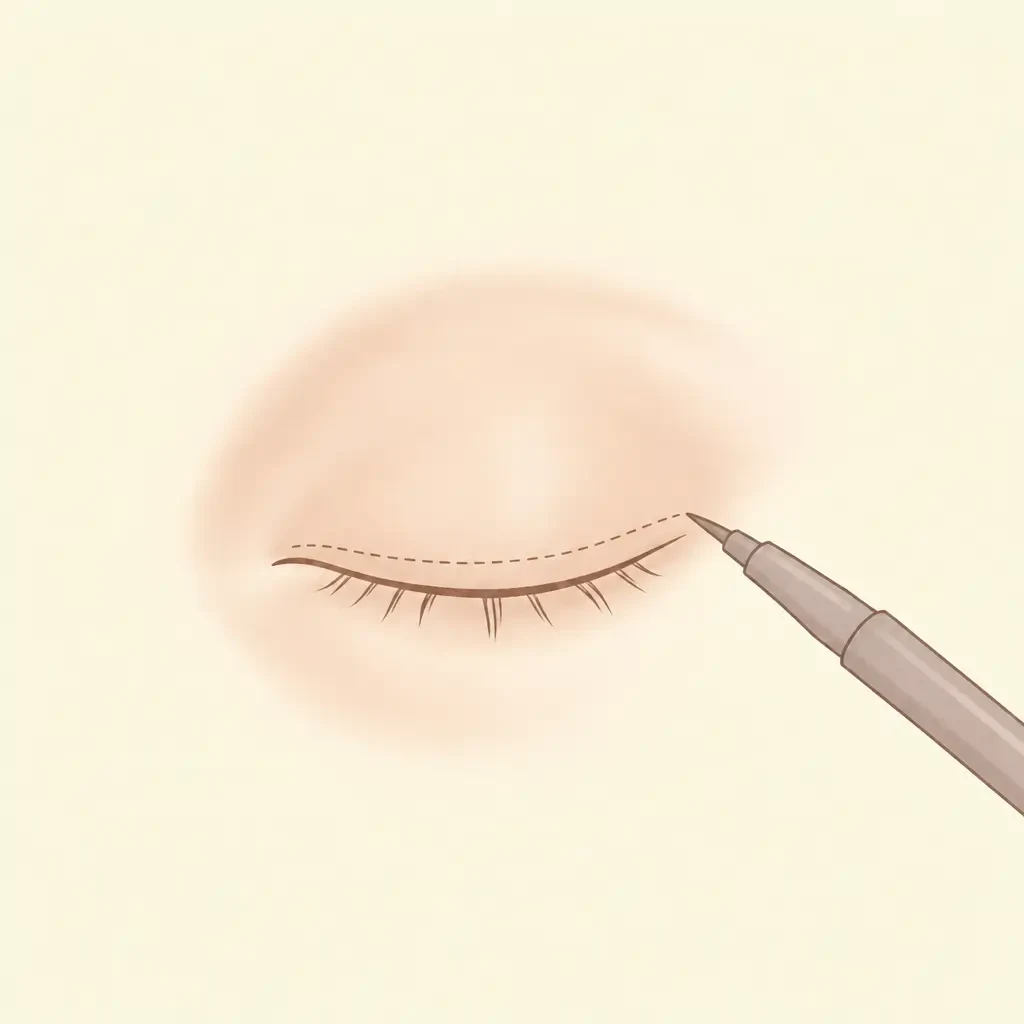
Method · approach
Buried, incision or partial incision, whichever suits your eyelids, reaches the line position.
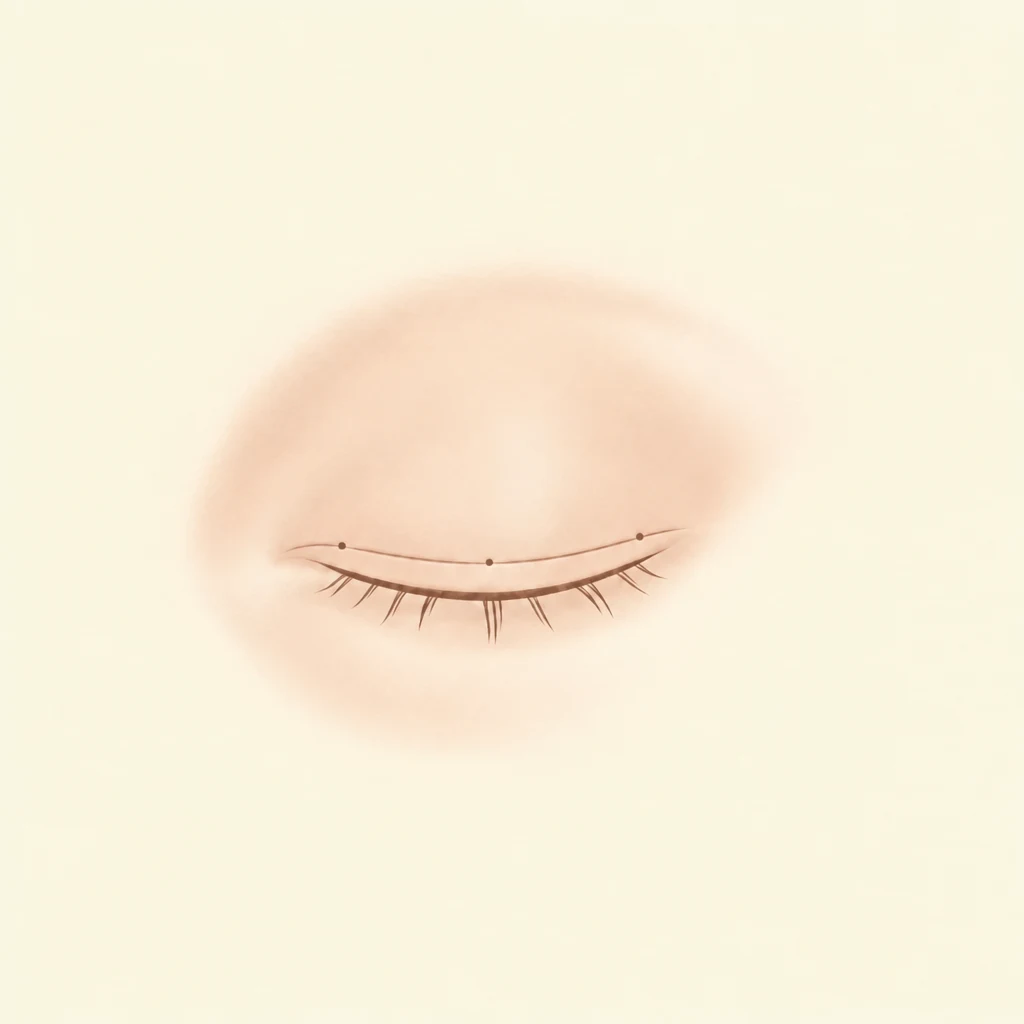
Tissue tidying · fixing the line
Only the necessary fat and muscle are tidied, and the eye-opening muscle is connected to the skin to fix the line.
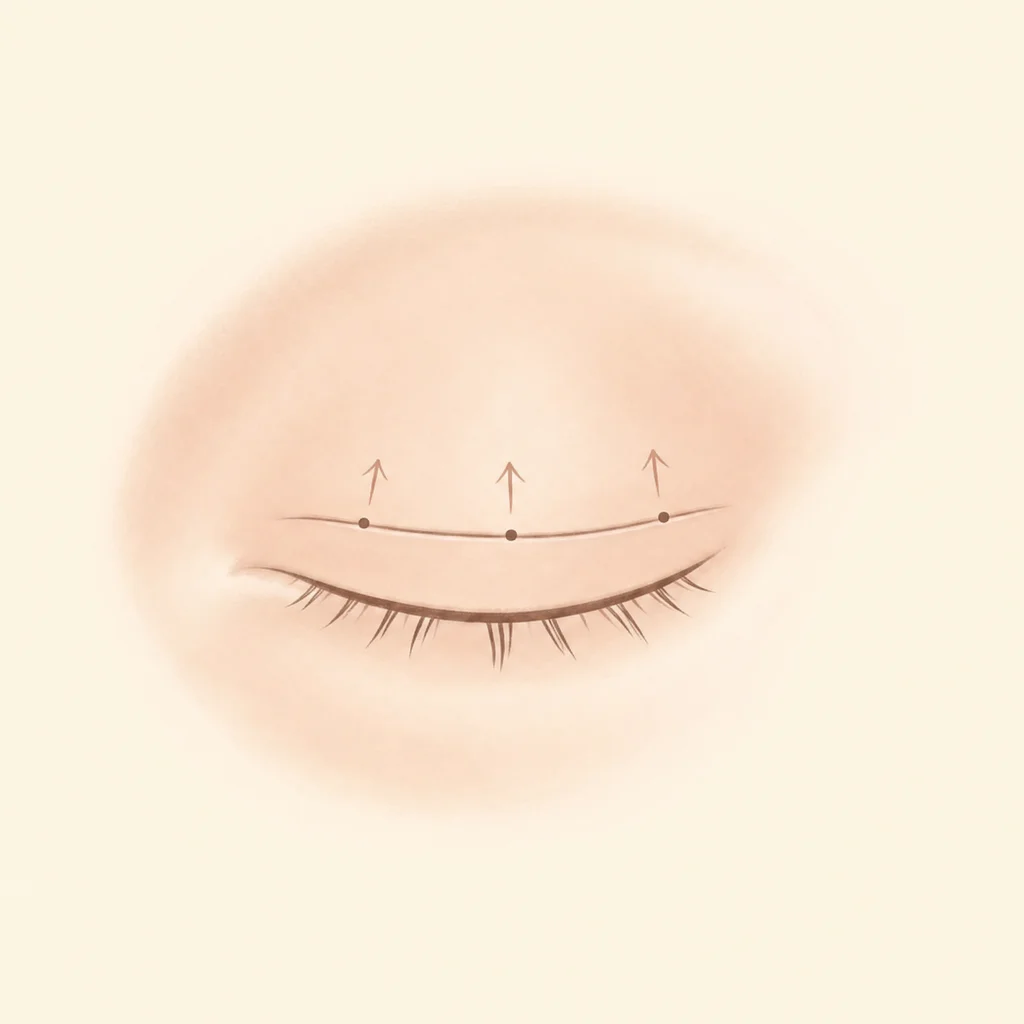
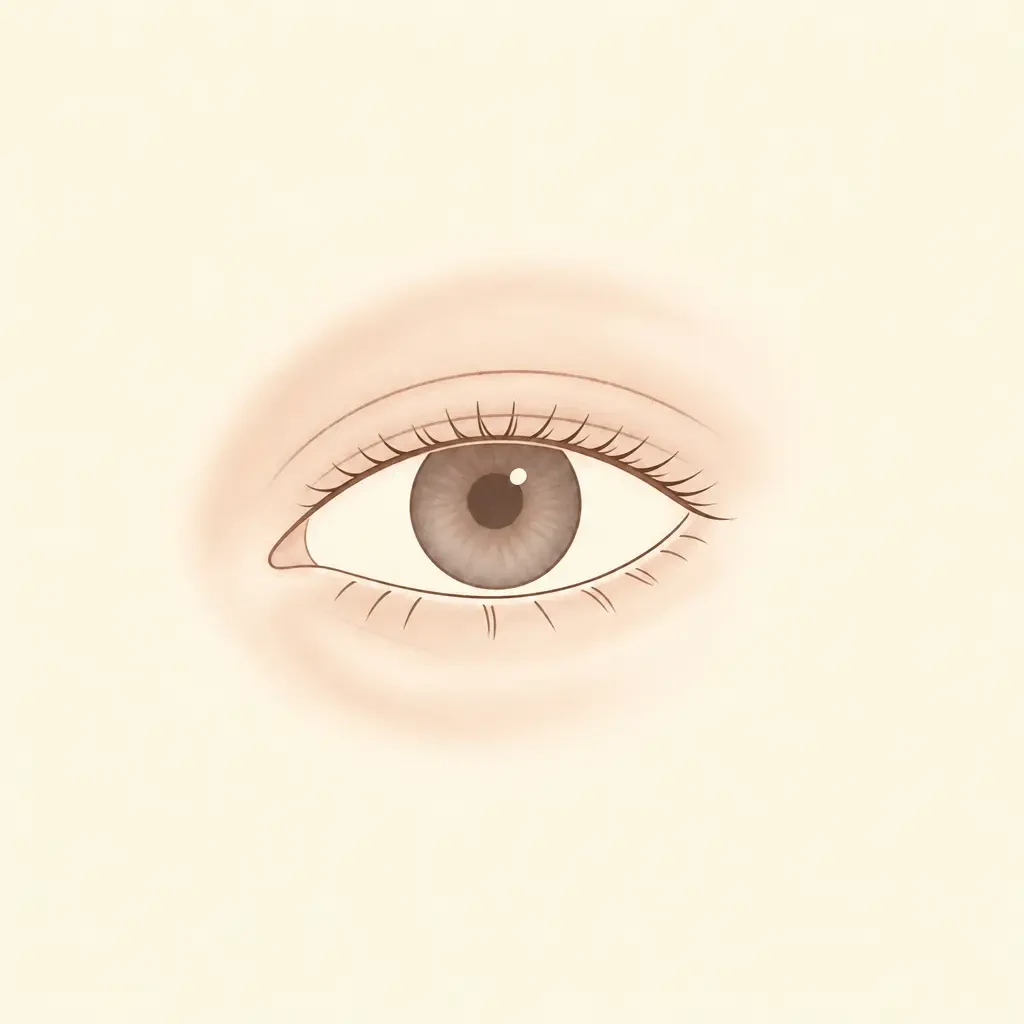
Closure · follow-up
Closed with care, home the same day. Sutures come out after about 5 days, with 1–2 visits.
RECOMMENDED
If this sounds like you, double eyelid surgery comes first
- A natural line on thin eyelids
- A fold on one side only, or two sides that differ
- Puffy eyelids that look swollen
- A faint line that sometimes loosens
- A loosened buried-suture line that needs firm fixing

AFTERCARE
Recovery guide
- Day of surgeryHome same day
No hospital stay, swelling care explained
- Approx. day 5Suture removal
Line shape and symmetry checked
- Days 5–7Daily life
Light daily activities resume
- AfterwardsFollow-up
1–2 visits
The pace of recovery and the time for the line to settle vary from person to person.
0205
Ptosis Correction
Ptosis Surgery
Naturally corrects sleepy-looking and asymmetric eyes, where the eyelid sits low
| Surgery time | Anesthesia | Suture removal | Daily life |
|---|---|---|---|
| approx. 1 hour | Local anesthesia | after approx. 5 days | after 5–7 days |
Home the same day · 1–2 follow-up visits · varies with your condition
WHAT IS PTOSIS CORRECTION
Not a surgery that makes a line one that restores the strength to open the eyes
Ptosis surgery is a surgery that adjusts the strength of the eye-opening muscle (the levator) to correct ptosis, where the eyelid covers the pupil. When that muscle is weak the eyes look sleepy, and the forehead does the opening.
It restores the strength to open the eyes, not the line, so the pupil shows clearly.

COMPARE
Ptosis surgery and double eyelid surgery, what is the difference
Ptosis surgery
- What it addresses
- Strength of the eye-opening muscle
- Purpose
- Pupil exposure · easing a sleepy look
Double eyelid surgery
- What it addresses
- The fold (line) of the eyelid skin
- Purpose
- Shape and height of the line
When combinedA line alone on a weak-opening eye does not look clear, so the two are often planned together
SYMPTOMS
Left for long, ptosis can lead to these changes
- 01
Forehead lines
Opening the eyes with the forehead deepens the lines
- 02
Uneven eyes
As the strength gap grows, the eyes look different in size
- 03
Reduced vision · astigmatism
An eyelid blocking the view can reduce vision
PROCESS
Ptosis surgery step by step
Every step is performed by the director.
Consultation · design
Drooping and opening strength are checked for each eye separately, and the design follows the impression you want.
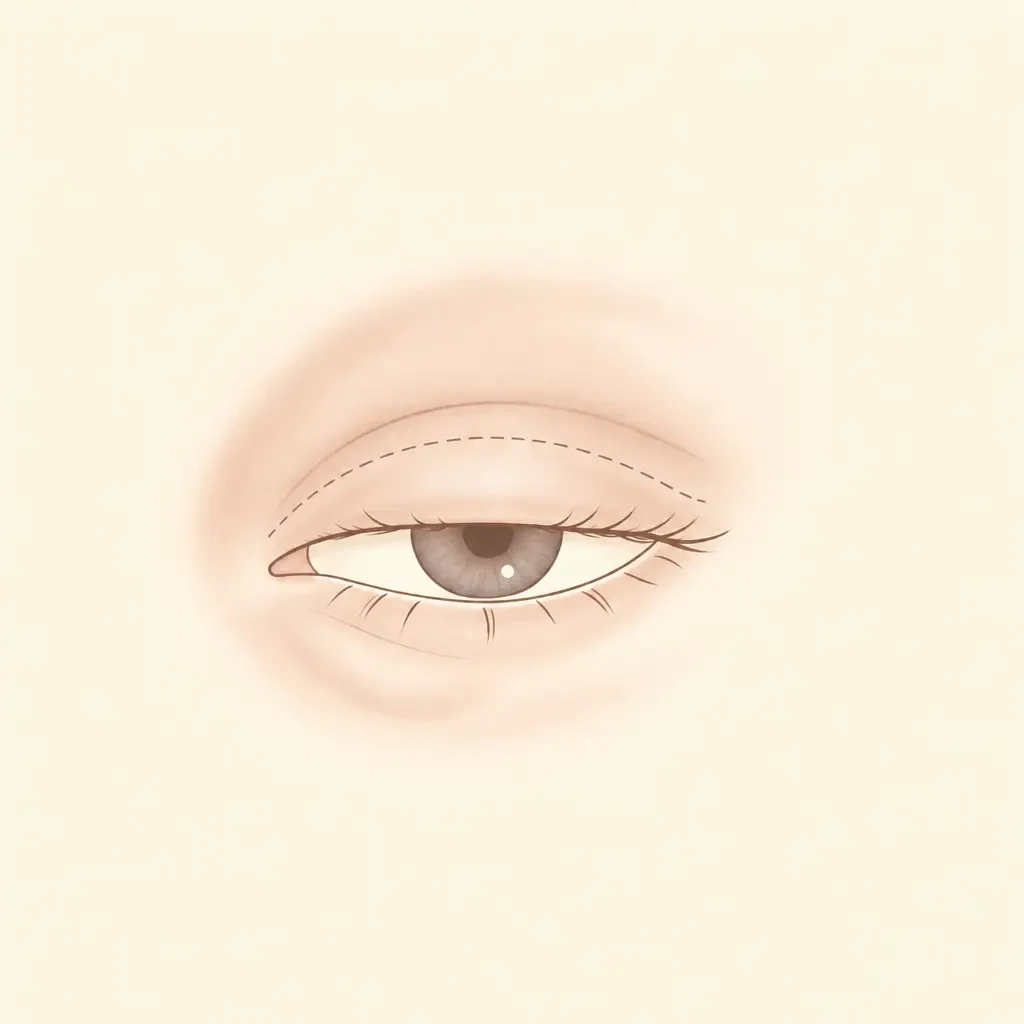
Incision
The upper eyelid is incised along the designed line. The incision sits inside the fold.
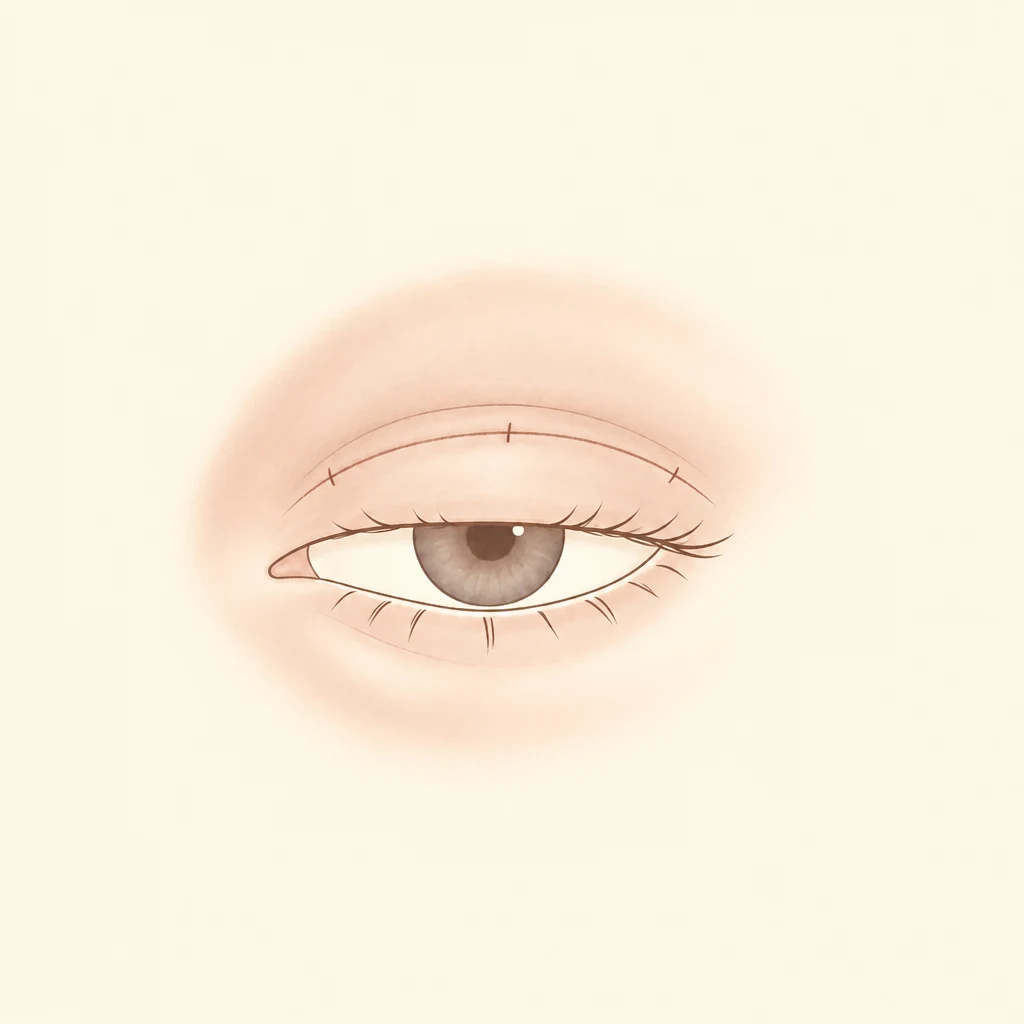
Muscle adjustment · line
The eye-opening muscle is drawn in to adjust its tension, lifting the eyelid while forming the line.
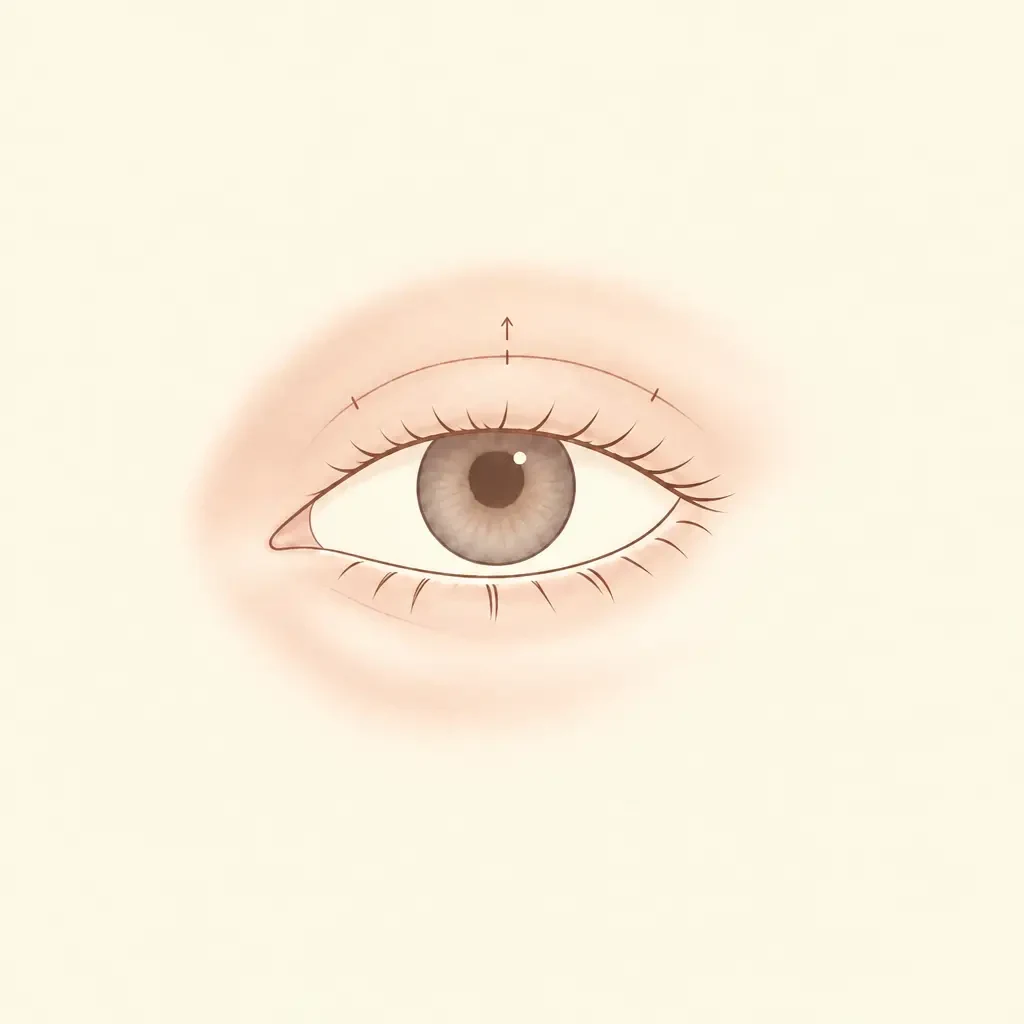
Closure · follow-up
Closed with care, home the same day. Sutures come out after about 5 days, with 1–2 visits.
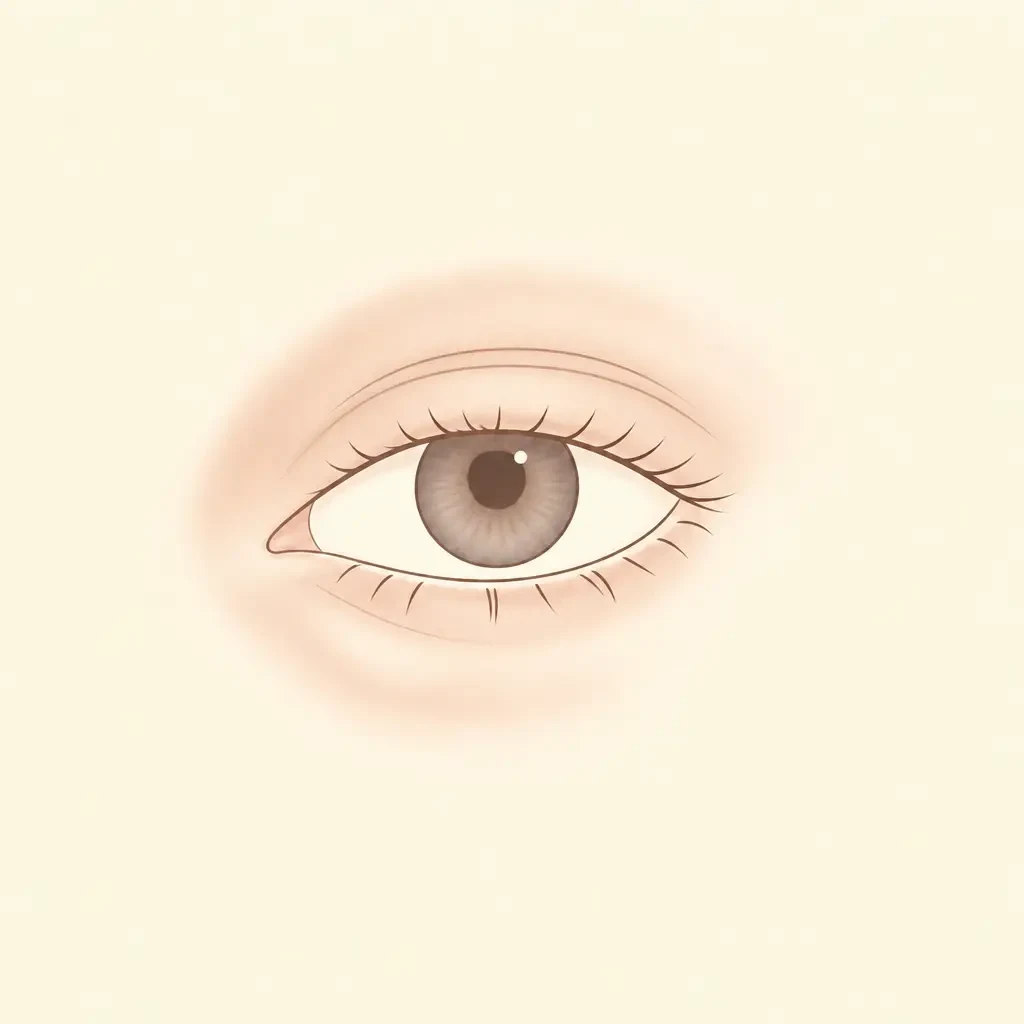
RECOMMENDED
If this sounds like you, ptosis surgery comes first
- Sleepy-looking eyes from marked drooping
- Eyes with a lot of fat and thick skin
- Eyes opened with the eyebrows and forehead
- Eyes still not clear after previous eye surgery
AFTERCARE
Recovery guide
- Day of surgeryHome same day
No hospital stay, swelling care explained
- Approx. day 5Suture removal
Opening and symmetry checked
- Days 5–7Daily life
Light daily activities resume
- AfterwardsFollow-up
1–2 visits
The pace of recovery and the schedule vary from person to person.
0305
Epicanthoplasty
Epicanthoplasty
Adjusts the horizontal length of the eyes for a more open look
| Surgery time | Anesthesia | Suture removal | Daily life |
|---|---|---|---|
| approx. 30 minutes | Local · sedation | after 5–7 days | after 1–2 days |
Home the same day · 2–3 follow-up visits · varies with the type of canthoplasty
WHAT IS EPICANTHOPLASTY
Not enlarging the eyes releasing what feels closed
Epicanthoplasty is a surgery that opens the corners of the eyes to adjust their width and shape. Of the four directions (front, back, up, down), we open only the one that makes the eyes feel closed, and only as much as needed.
The epicanthal fold, eye width and outer-corner angle set the direction and amount, within the harmony of the whole face.

FOUR DIRECTIONS
Four canthoplasties, by the direction that feels closed
One direction alone, or two combined. For eyes set close together, we suggest another direction instead of medial.
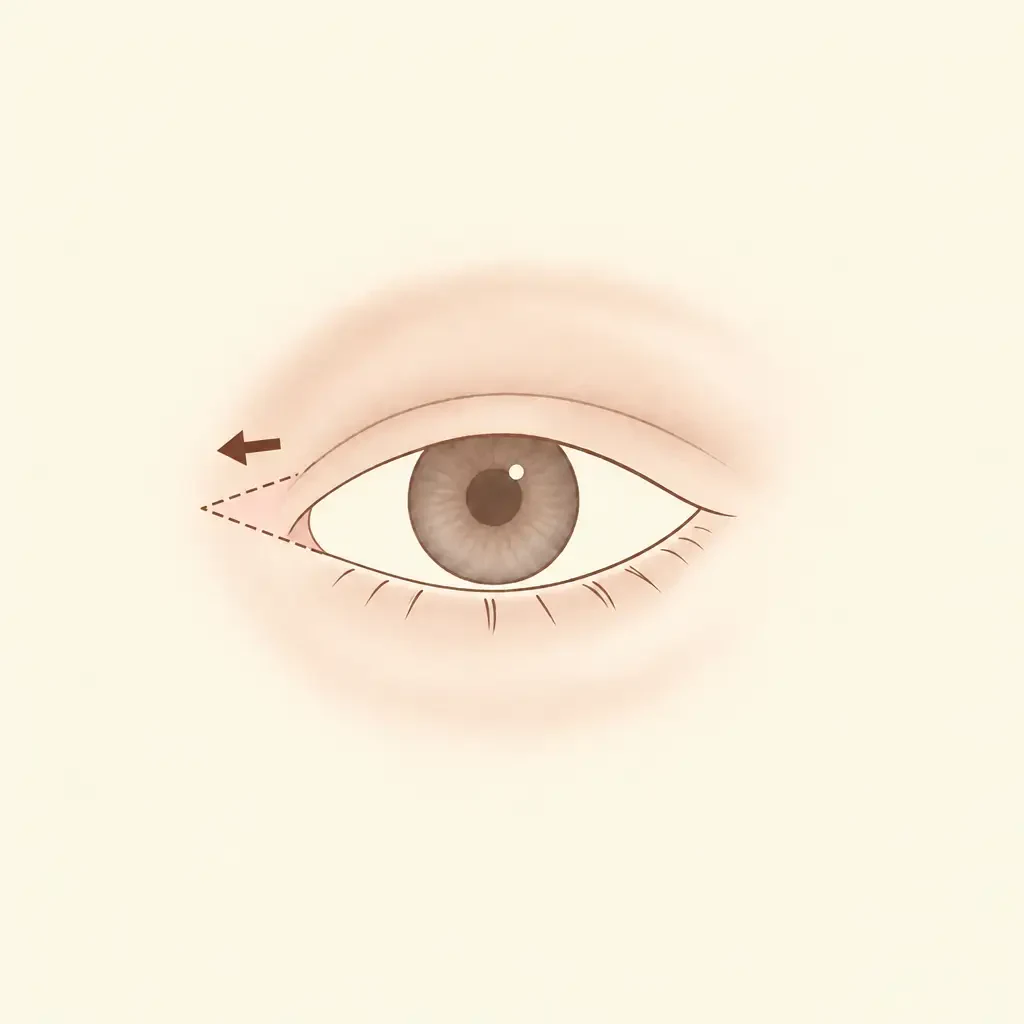
Medial (inner corner)
Epicanthal fold refined · eye distance adjusted · incision close to the conjunctiva
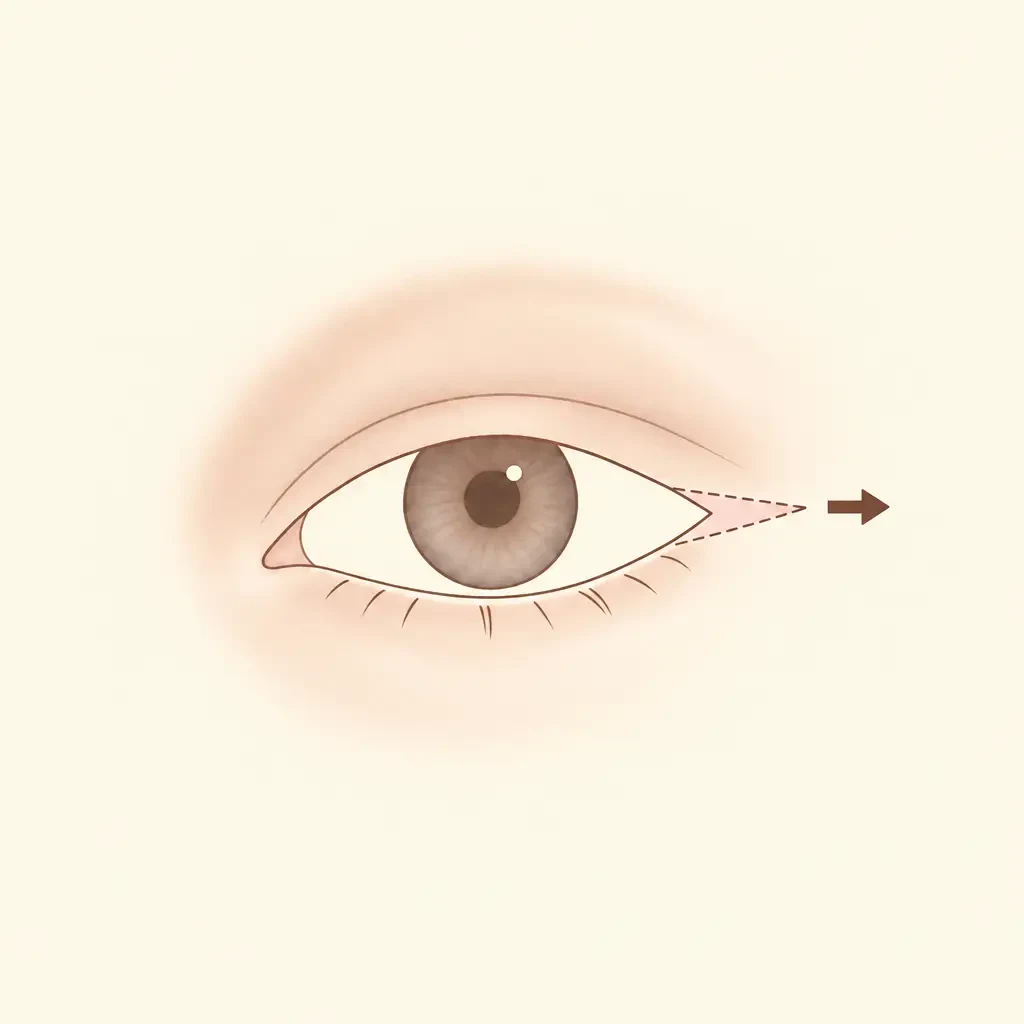
Lateral (outer corner)
Width extended · outer canthus fixed to the periosteum
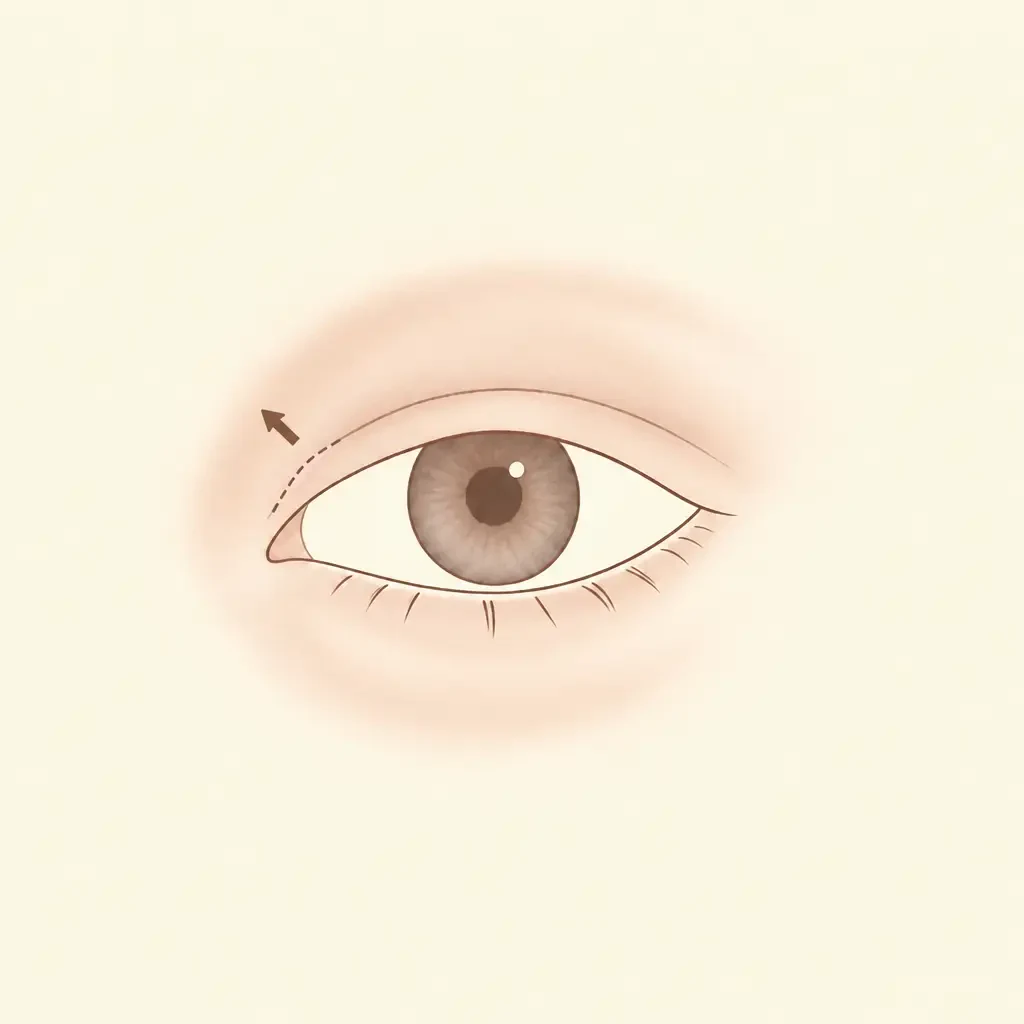
Upper
Inner corner opened upward · a fierce look eased
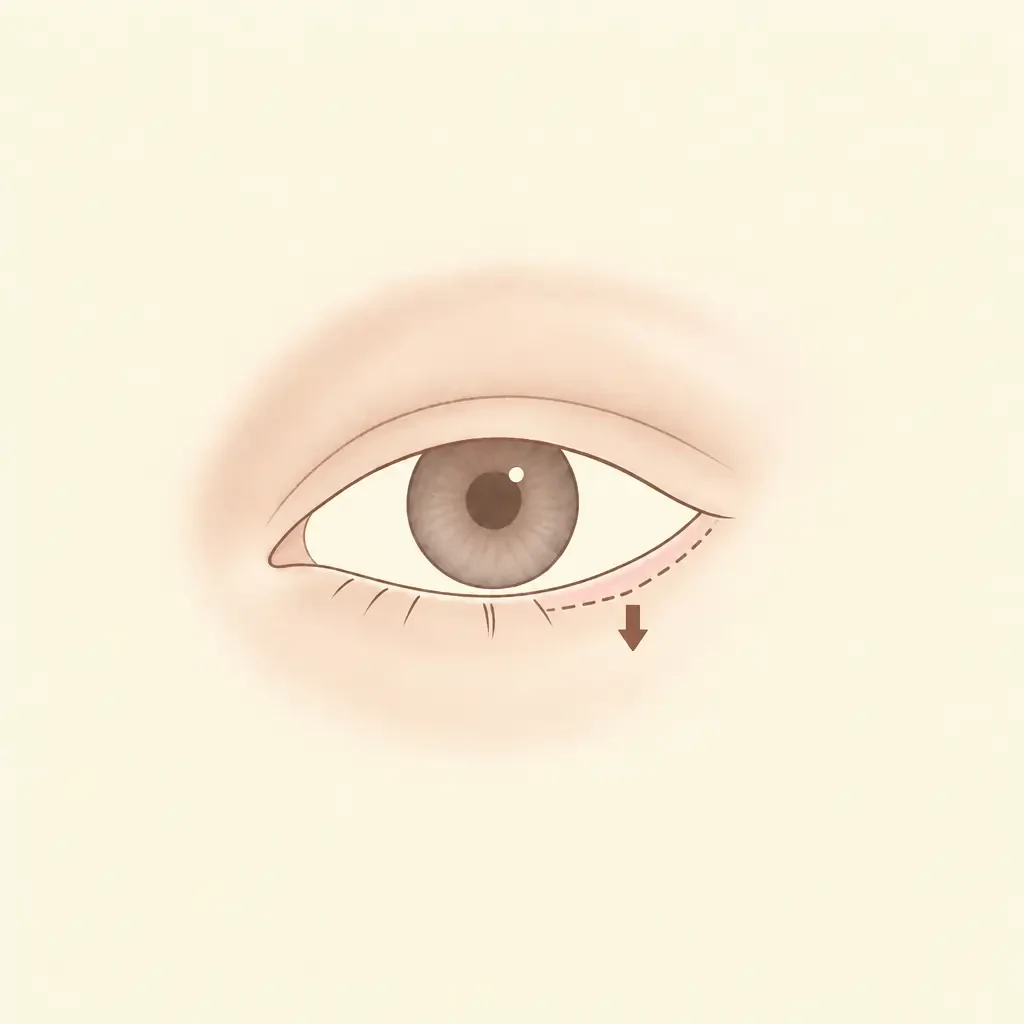
Lower
Outer lower eyelid adjusted · no outer incision line
PROCESS
Canthoplasty surgery process
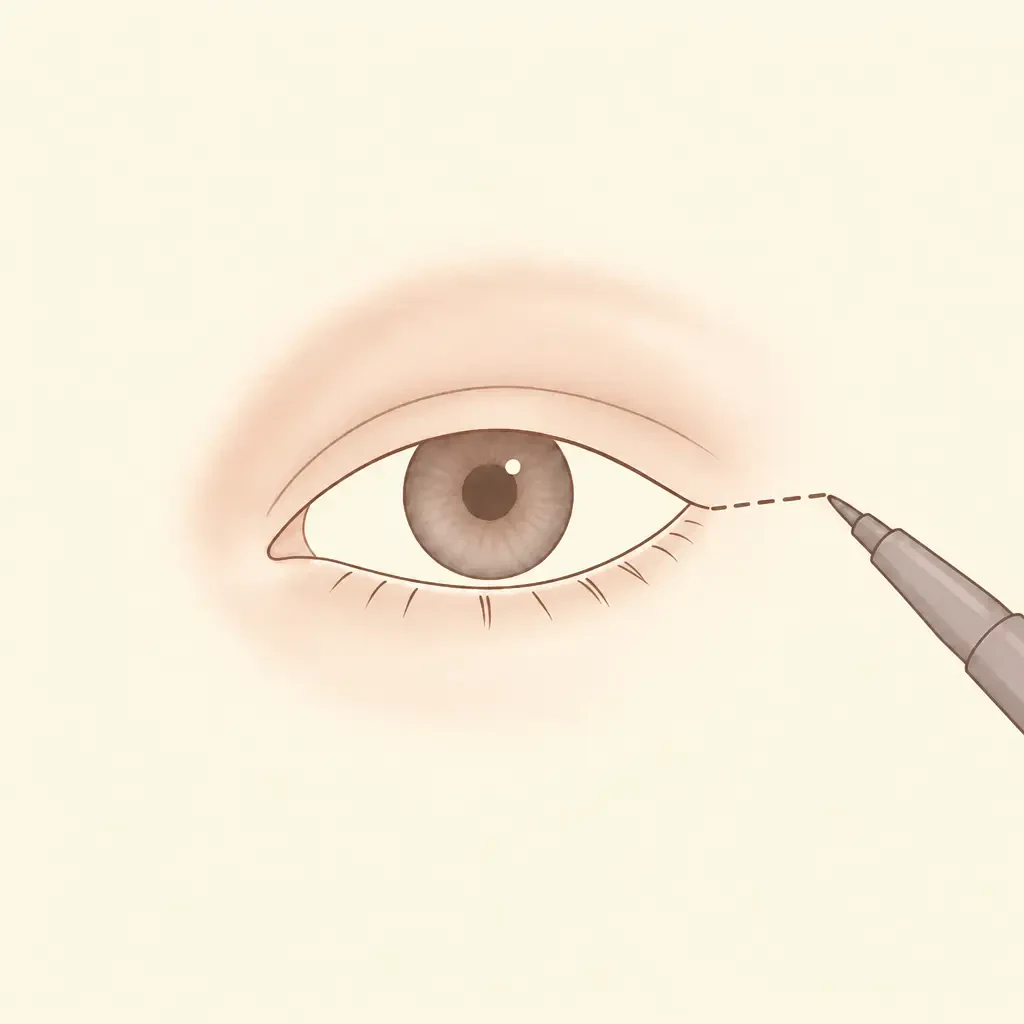
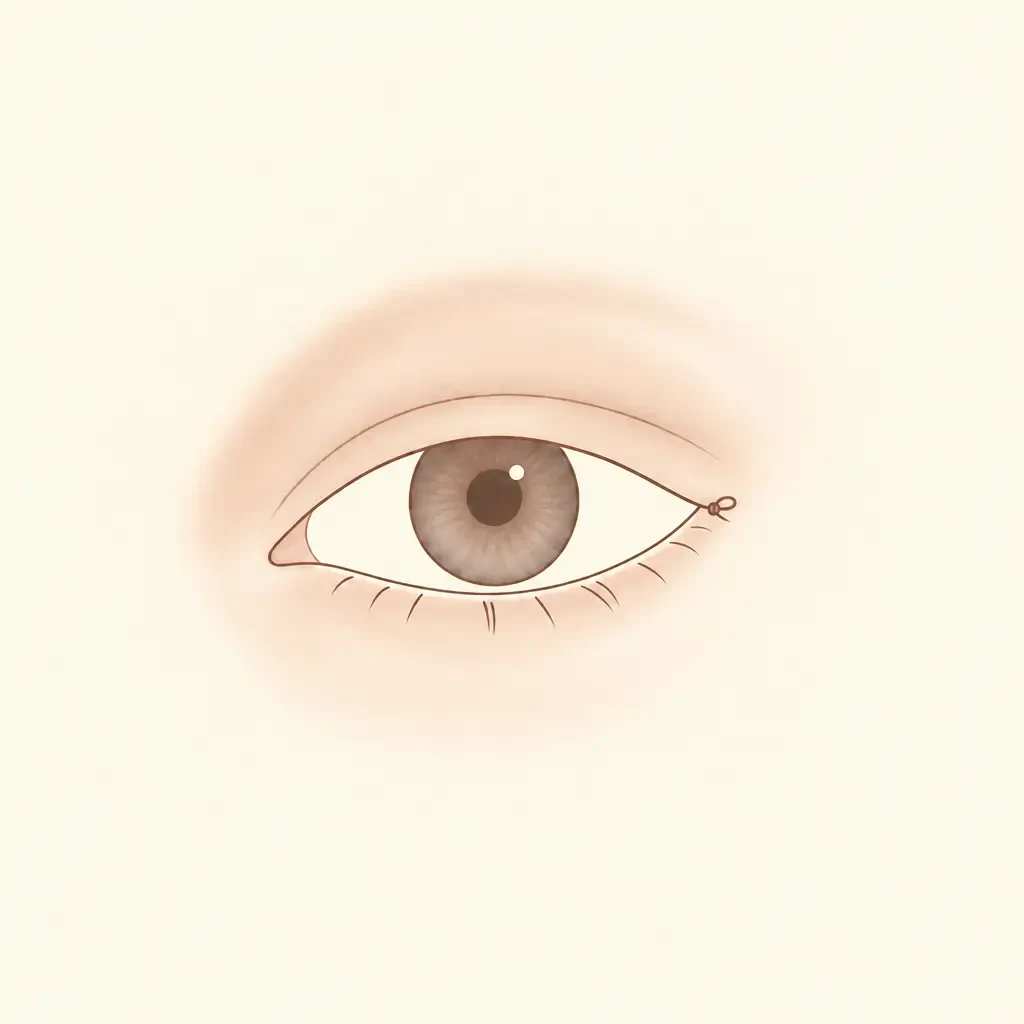
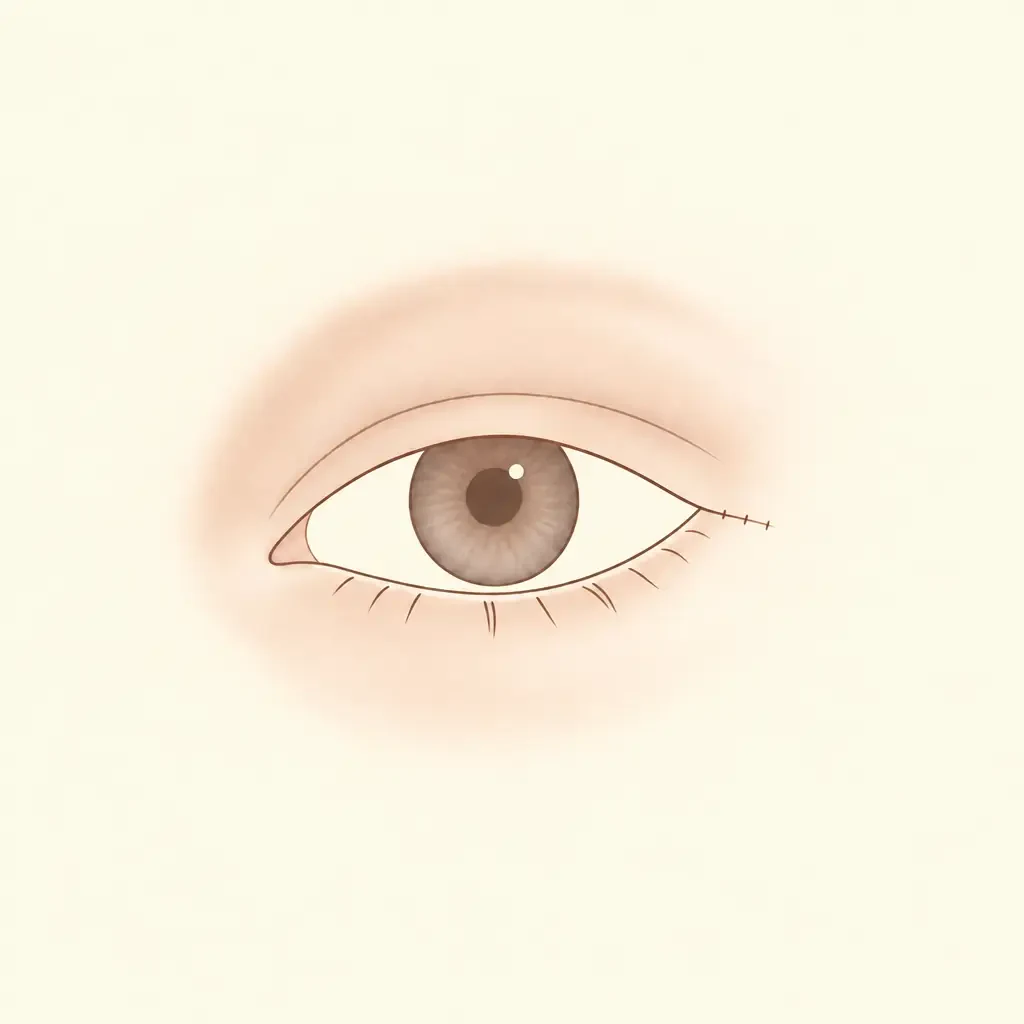
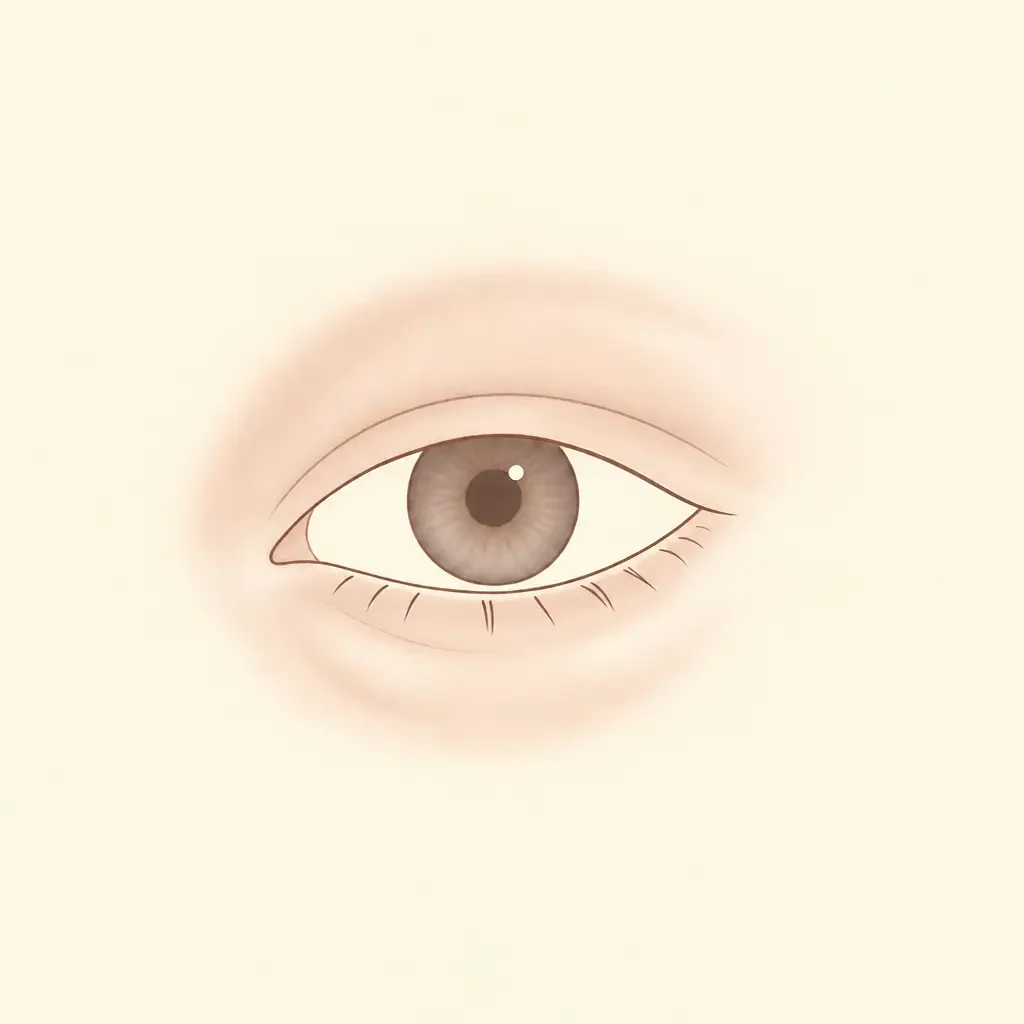
Shown for lateral canthoplasty. Incision position and fixing differ by direction; every step is performed by the director.
Design · incision
The direction and length to extend the outer corner are set, and the skin is incised.
Fixing to the periosteum
The tip of the outer canthus is fixed firmly to the periosteum. This is the key step that keeps the corner from re-adhering.
Tidying excess skin
Excess skin is tidied with minimal incision and closed with care.
Follow-up
Home the same day; sutures come out after 5–7 days, with 2–3 visits to check progress.
RECOMMENDED
If this sounds like you, canthoplasty comes first
- Eyes crowded by an epicanthal fold
- A short eye width that looks small
- Little white showing, a cross-eyed look
- Upturned corners that look sharp
- Close-set eyes that need another direction instead of medial
AFTERCARE
Recovery guide
- Day of surgeryHome same day
No hospital stay, swelling care explained
- Days 1–2Daily life
Light daily activities resume
- Days 5–7Suture removal
Incision and outer corners checked
- AfterwardsFollow-up
2–3 visits
The pace of recovery and the schedule vary from person to person.
0405
Eye Revision
Revision Eyelid Surgery
Delicately corrects the unnaturalness of a previous eyelid surgery
| Surgery time | Anesthesia | Suture removal | Daily life |
|---|---|---|---|
| approx. 1 hour | Sedation | after 5–7 days | after approx. 7 days |
Home the same day · 1–2 follow-up visits · varies with the previous surgery
WHAT IS EYE REVISION
In a second surgery, half is decided by assessment
Revision eyelid surgery is a surgery that re-addresses the problems of a previous double eyelid surgery: a line too low or too high, a loosened fold, scars, asymmetry, lingering swelling.
Six months to a year after the first surgery, once scars and swelling have settled, we begin with the assessment before surgery.

CASES
The approach differs by type of problem
Six types we often meet at consultation. The actual method is decided after seeing the eyelids.
Line too low
Redesigned to the height you want, drooping skin tidied
Fold has come undone
The line is redesigned, fixed by incision if loosening worries you
Severe scarring
Rearranged into an even line that does not stand out, rather than erased
Swelling that lingers
The old line is released, scar, fat and muscle tidied, then a new line made
The two sides differ
Both sides are re-operated together rather than matching one side
Line too high
The high fixation is released and fixed lower, with fat grafting if needed
PROCESS
Revision eyelid surgery step by step
Every step is performed by the director.
Cause analysis · planning
The cause of the previous problem is analysed, and after examination the method suited to you is decided.
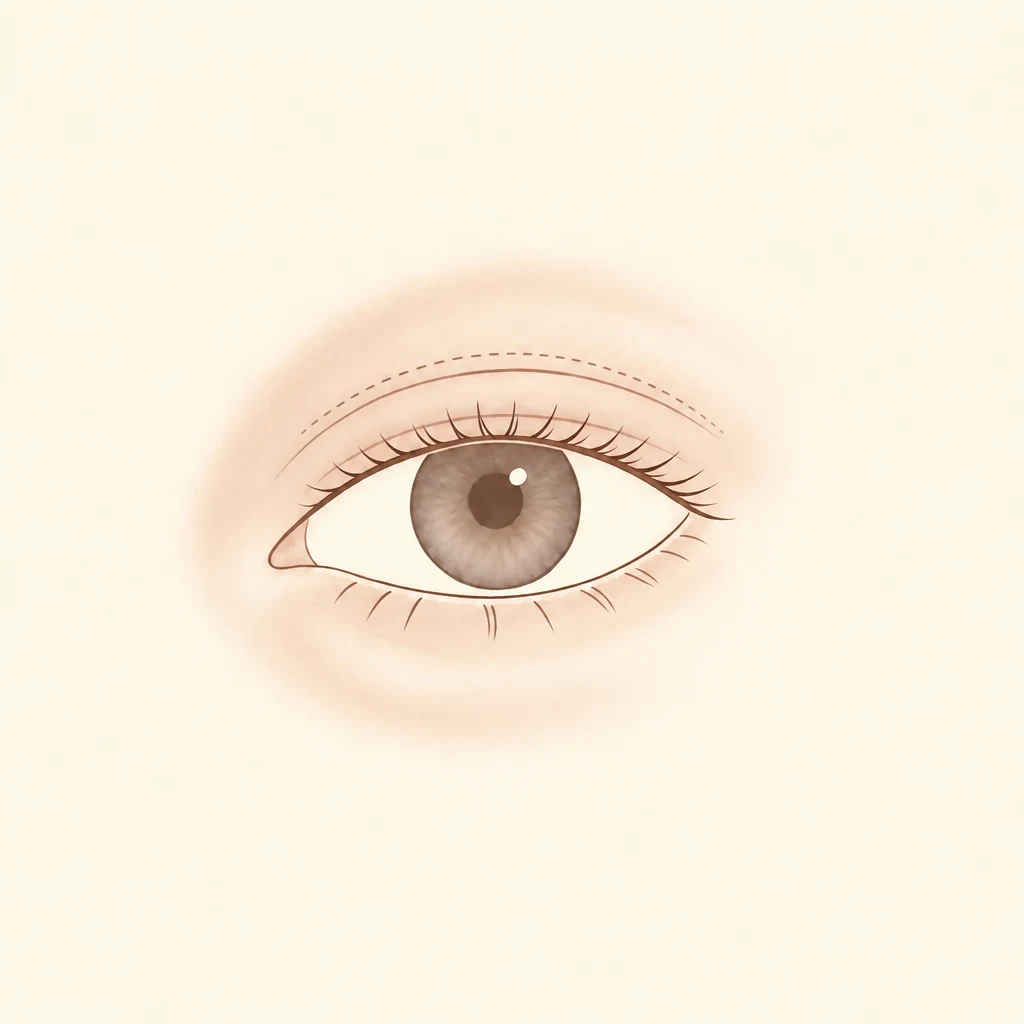
Design · releasing the old line
The new line is designed, and the tissue of the existing line is released.
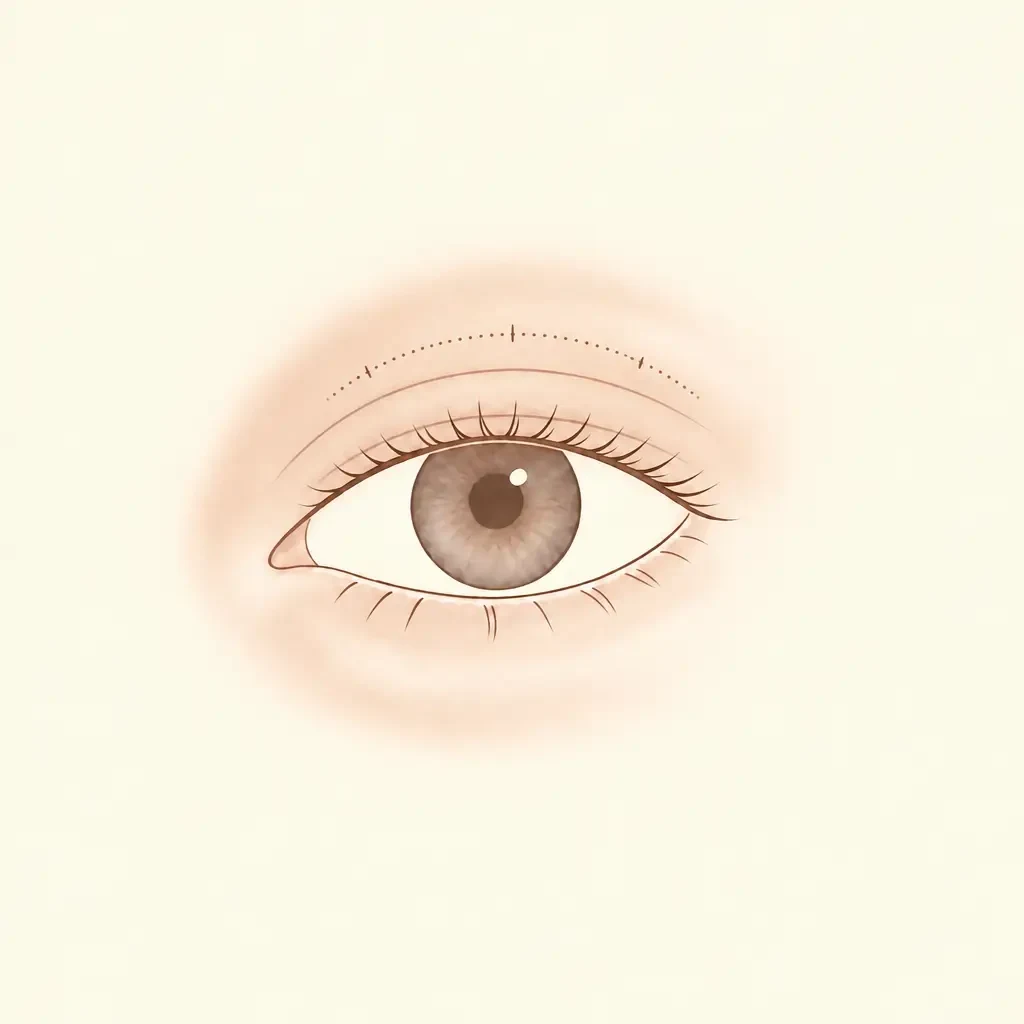
Correcting the line · tidying scars
The misplaced line is released and scar tissue tidied. If needed, fat grafting above the eye creates the new line.
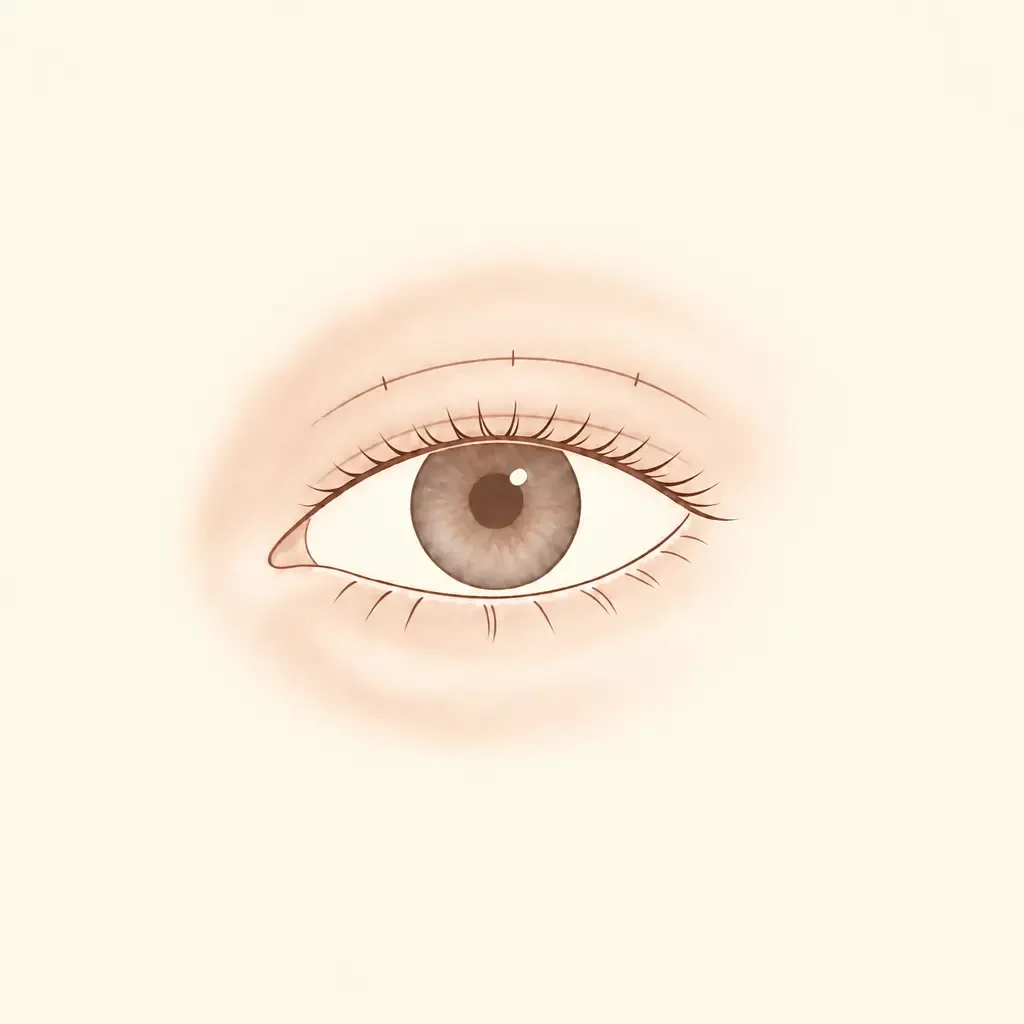
Closure · suture removal
Closed with care, home the same day. Sutures come out after 5–7 days; swelling usually settles around a week.
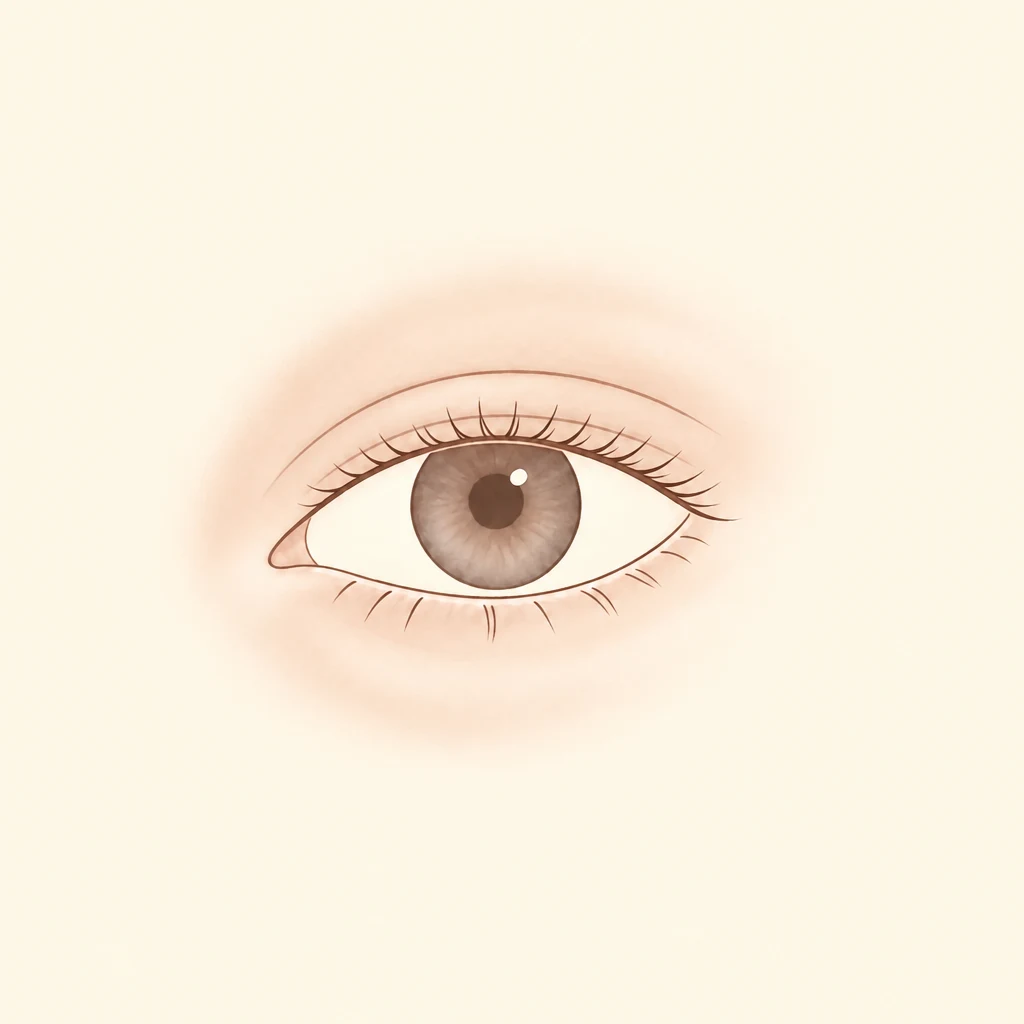
RECOMMENDED
If this sounds like you, revision eyelid surgery comes first
- A line too low or too high
- A fold that has come undone or faded
- An uneven double eyelid scar
- Lingering swelling, thick-looking eyelids
- Two lines that differ in height or shape
AFTERCARE
Recovery guide
- Day of surgeryHome same day
No hospital stay, swelling care explained
- Days 5–7Suture removal
Line and tidied scars checked
- Approx. day 7Daily life
Light daily activities resume, swelling eases around a week
- AfterwardsFollow-up
1–2 visits
Revision is planned 6 months to 1 year after the 1st surgery, once scars and swelling have recovered.
0505
Fat Repositioning
Under-Eye Fat Repositioning
Moves the bulging under-eye fat to address the shadow and the lines together
| Surgery time | Anesthesia | Suture removal | Daily life |
|---|---|---|---|
| approx. 30 minutes | Sedation | None | after 5–7 days |
Conjunctival approach, no sutures to remove · home the same day · 1–2 follow-up visits
WHAT IS LOWER FAT REPOSITIONING
Removing fat is not the only way to clear the shadow
Under-eye fat repositioning is a surgery that moves bulging under-eye fat into the hollow tear trough through the conjunctiva inside the eye, to clear the shadow. As the tissue holding the fat thins, the fat bulges forward and the tear trough hollows, casting a shadow.
Sagging fat is removed; a bulge above a hollow is moved by repositioning. Both go through the conjunctiva inside the eye.

COMPARE
Repositioning and removal, how do they differ
Repositioning
- Suited to
- Little skin laxity, a hollow tear trough
- Approach
- Conjunctival incision inside the eye
- Handling the fat
- Spread into the hollow and fixed
Removal
- Suited to
- Marked skin laxity
- Approach
- Laser or radiofrequency conjunctival incision
- Handling the fat
- Bulging fat removed only as needed
Scar · suturesBoth go through the inside of the eye, so no outer incision line and no sutures to remove
PROCESS
Lower fat repositioning process
Shown for repositioning. Removal also goes through the conjunctiva with no outer incision; every step is performed by the director.
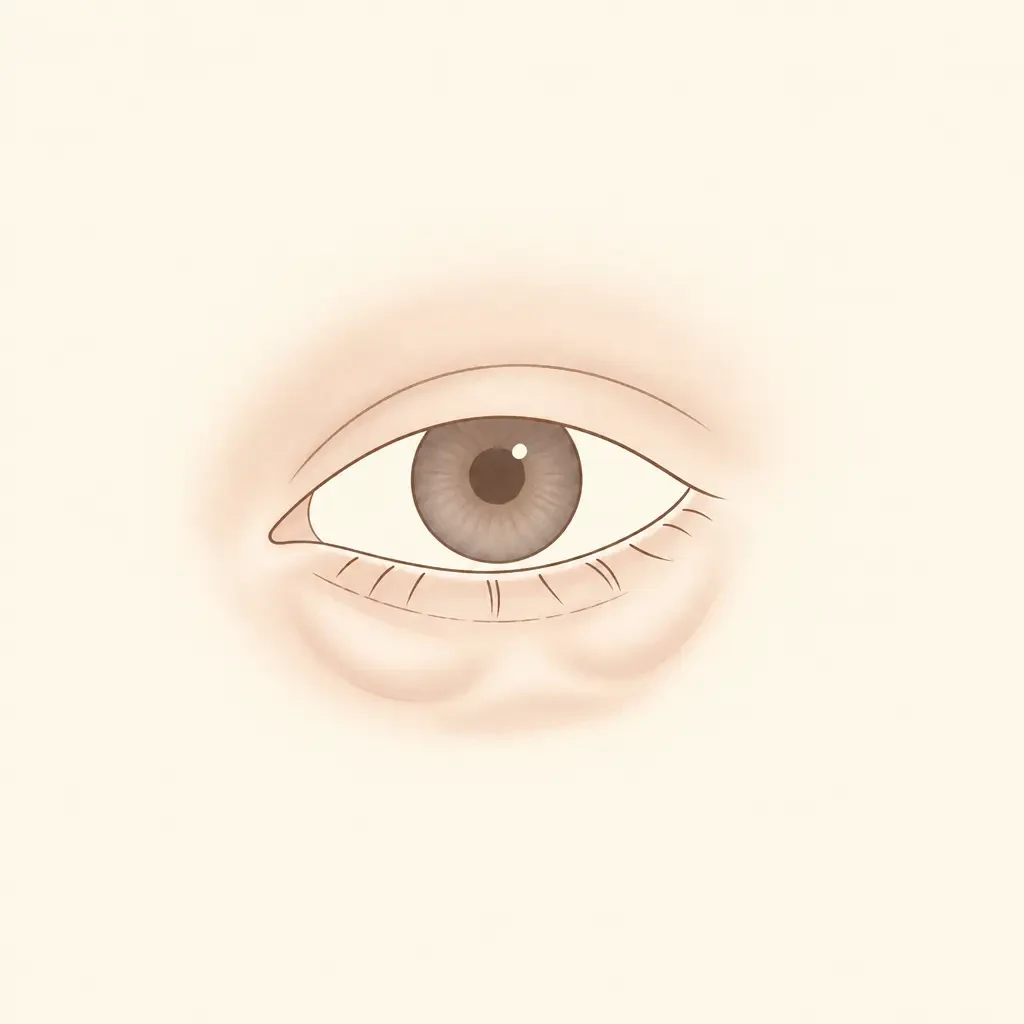
Conjunctival incision
The conjunctiva inside the eye is incised. No incision is made on the outer skin.
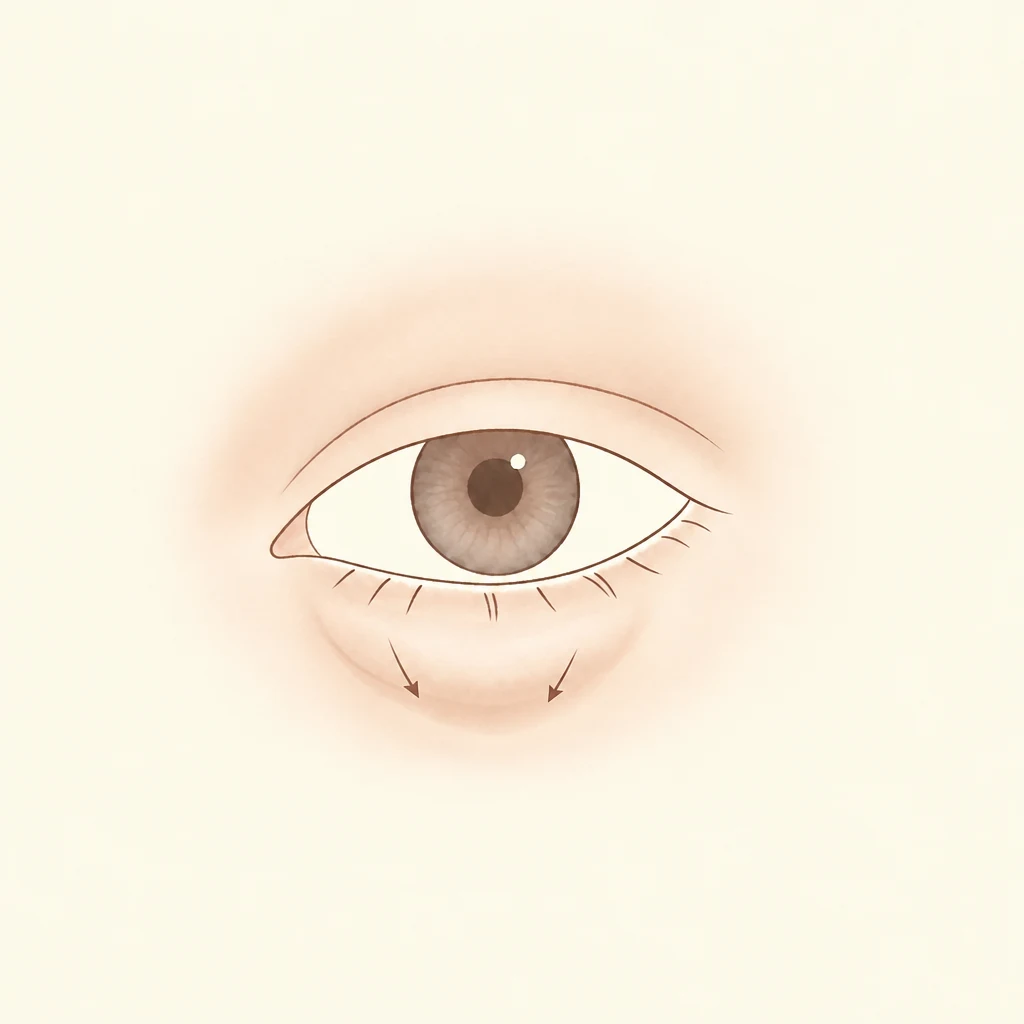
Under-eye fat repositioning
Bulging fat is spread toward the hollow tear trough and fixed. With marked laxity, only as much as needed is removed.
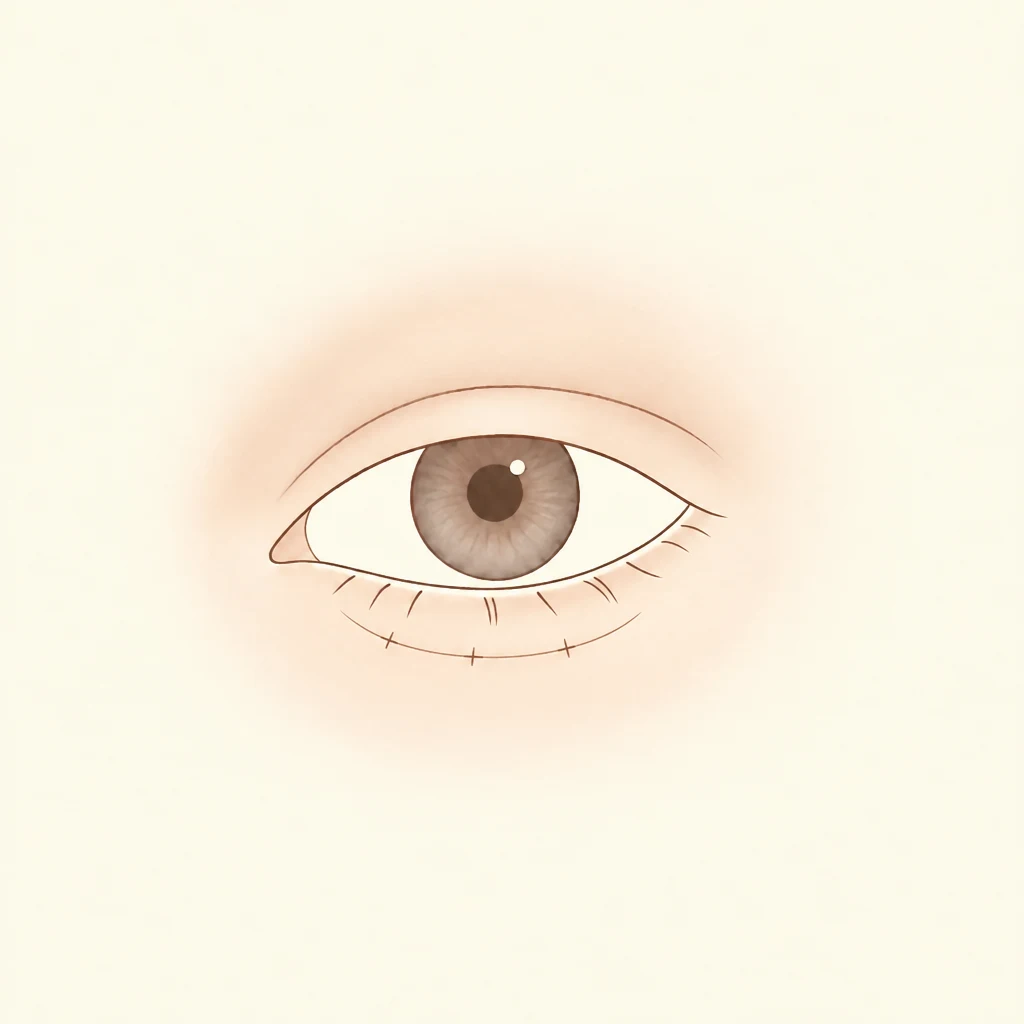
Septum reinforcement
The septum holding the fat is reinforced so it does not push forward again.
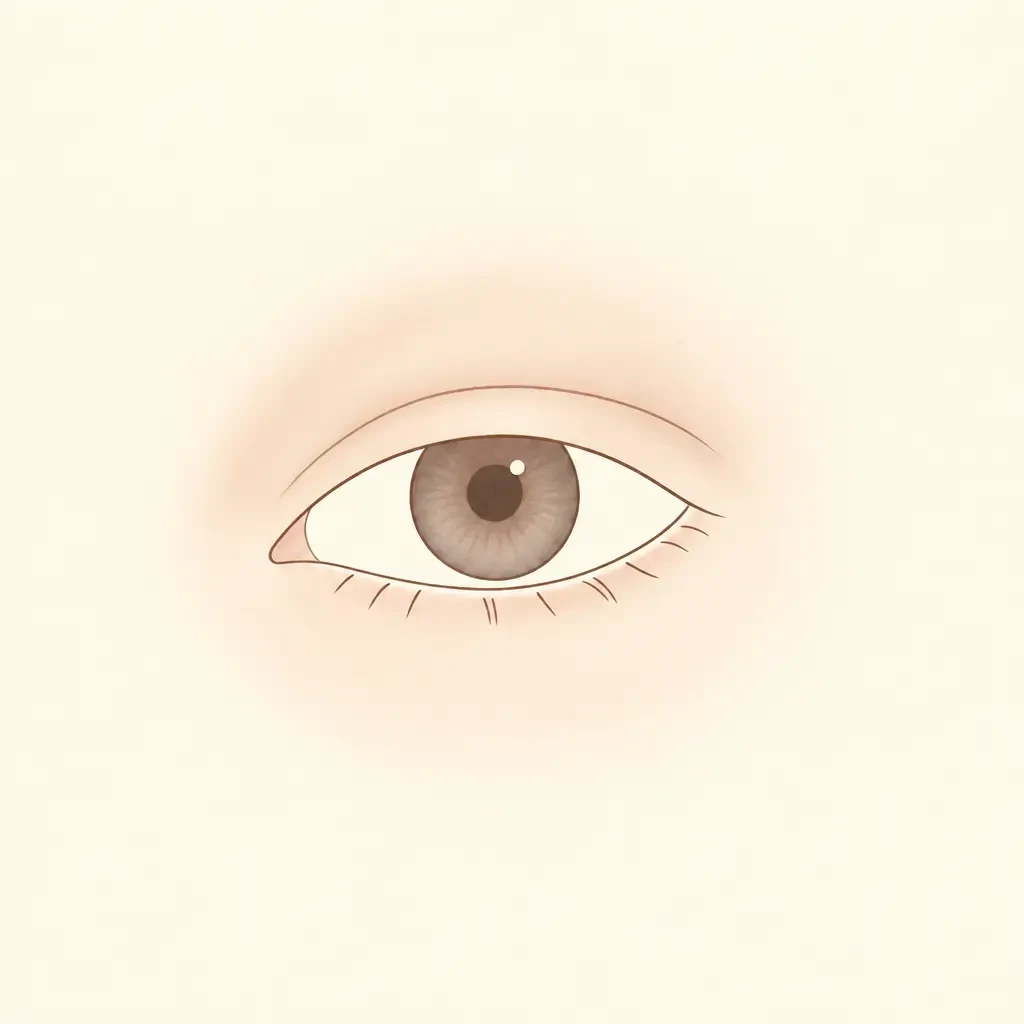
Closure · follow-up
The conjunctiva is closed precisely, home the same day. No sutures to remove, with 1–2 visits.
RECOMMENDED
If this sounds like you, under-eye fat repositioning comes first
- Dark circles and an aged look from bulging fat
- Many fine lines around the eyes
- Eyelids that lack strength and droop
- Loss of firmness around the eyes
AFTERCARE
Recovery guide
- Day of surgeryHome same day
No hospital stay, swelling care explained
- SuturesNone to remove
Conjunctival approach, no sutures
- Days 5–7Daily life
Light daily activities resume
- AfterwardsFollow-up
1–2 visits
The pace of recovery and the schedule vary from person to person.
OUR PRINCIPLE
Not size, but fit is the standard.
We look for the line that looks as though those eyes were always that way. How comfortably they open matters more than how wide they open.
EYE AREA GUIDE
Eye surgery in six places
From the double eyelid line to under the eyes, we first look at where the concern began, and decide together at consultation only the surgery that is needed.
 Eyelid lineOpening strengthOuter cornerInner cornerUnder-eye fatLower outer lid
Eyelid line · Double eyelid
In, out or in-out fold design · method to suit thickness
Opening strength · Ptosis surgery
Levator tension adjusted · sleepy impression eased
Outer corner · Lateral canthoplasty
Width extended · inward-crowded look eased
Inner corner · Medial canthoplasty
Epicanthal fold tidied · distance between the eyes refined
Under-eye fat · Repositioning
Bulging fat moved · tear-trough shadow eased
Lower outer lid · Lower canthoplasty
Outer lower lid adjusted · a softer eye shape
Eye Surgery
Compare at a glance
Surgery time, anaesthesia and recovery side by side. Select a procedure name to jump to its section.
| Double Eyelid Surgery | Ptosis Surgery | Epicanthoplasty | Revision Eyelid Surgery | Under-Eye Fat Repositioning | |
|---|---|---|---|---|---|
| Surgery time | approx. 1 hour | approx. 1 hour | approx. 30 minutes | approx. 1 hour | approx. 30 minutes |
| Anesthesia | Local anesthesia | Local anesthesia | Local · sedation | Sedation | Sedation |
| Suture removal | after approx. 5 days | after approx. 5 days | after 5–7 days | after 5–7 days | None |
| Daily life | after 5–7 days | after 5–7 days | after 1–2 days | after approx. 7 days | after 5–7 days |
| Visits | Home the same day · 1–2 follow-up visits · varies with method and condition | Home the same day · 1–2 follow-up visits · varies with your condition | Home the same day · 2–3 follow-up visits · varies with the type of canthoplasty | Home the same day · 1–2 follow-up visits · varies with the previous surgery | Conjunctival approach, no sutures to remove · home the same day · 1–2 follow-up visits |
Visits
- Double Eyelid Surgery
- Home the same day · 1–2 follow-up visits · varies with method and condition
- Ptosis Surgery
- Home the same day · 1–2 follow-up visits · varies with your condition
- Epicanthoplasty
- Home the same day · 2–3 follow-up visits · varies with the type of canthoplasty
- Revision Eyelid Surgery
- Home the same day · 1–2 follow-up visits · varies with the previous surgery
- Under-Eye Fat Repositioning
- Conjunctival approach, no sutures to remove · home the same day · 1–2 follow-up visits